EN
EN






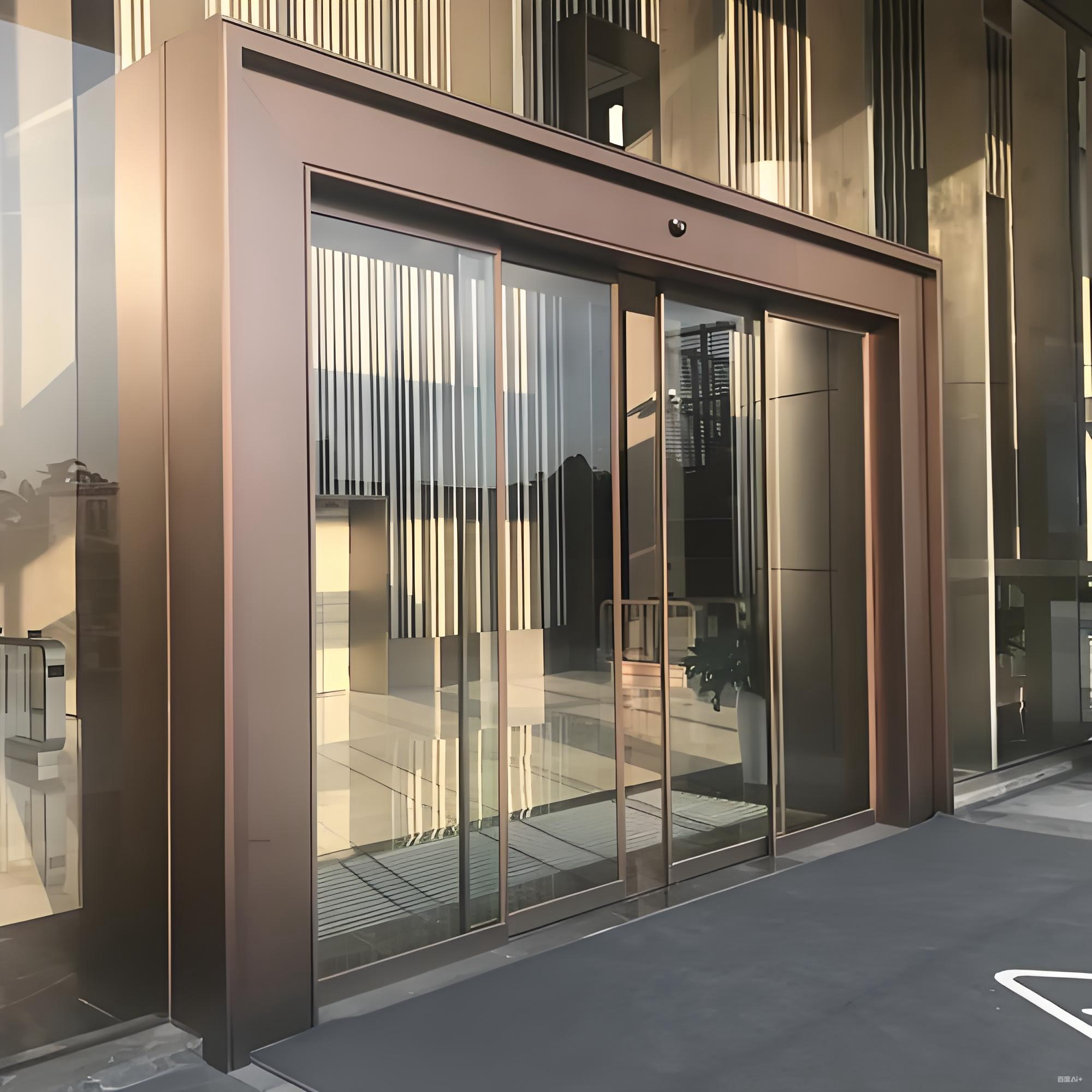
Choosing a suitable automatic door producer is an important choice which can affect any building’s safety, functionality, aesthetics. It’s a decision that reaches well beyond the sticker price. A bad choice will result in frequent breakdowns, unsafety and very high cost over the lifetime. So, we’ve put together this guide on the critical things to look at so you can be sure that what you end up buying is going to offer value for both a short and long time.
Engineering Capability & Customization Experience
Companies such as Suzhou Oredy Intelligent Door Control Co., Ltd are especially well placed here, containing inhouse engineering teams that liaise directly with clients and consultants. They employ sophisticated design software and simulation tools to model door performance prior to manufacture. This prevents later failure. When screening for a manufacturer, request case studies they have completed on past custom projects. Inquire about their design process. Do they send out engineers to the location, to get a sense of context, or do they just take orders from a mail-order catalog? The response will indicate their level of genuine desire for engineering and customizing your end product to be more than just a door, but a highly functional, aesthetically extraordinary aspect of your building.
Quality Control & Certification Standards
An automatic door is a piece of equipment that can pose risks to safety. Its collapse is dangerous business. Hence the second part of your review MUST be relentless quality control and International certificates. These aren’t simply badges on a website, they’re physical evidence of an intimate manufacturing process.
The first and most basic certification to check for is the CE mark which is a certification that a product meets all health, safety, and environmental protection standards of products sold within the European Economic Area. This is applicable to automatic doors which have to comply to certain machinery and EMC guidelines. In addition to CE, other regional norms (such as UL in North America) are good quality signs too. Taken together, these certifications mean the manufacturer’s components — from its motors and sensors to its control systems and glass — have been put through their paces to ensure that they’re durable, safe and electromagnetically compatible.
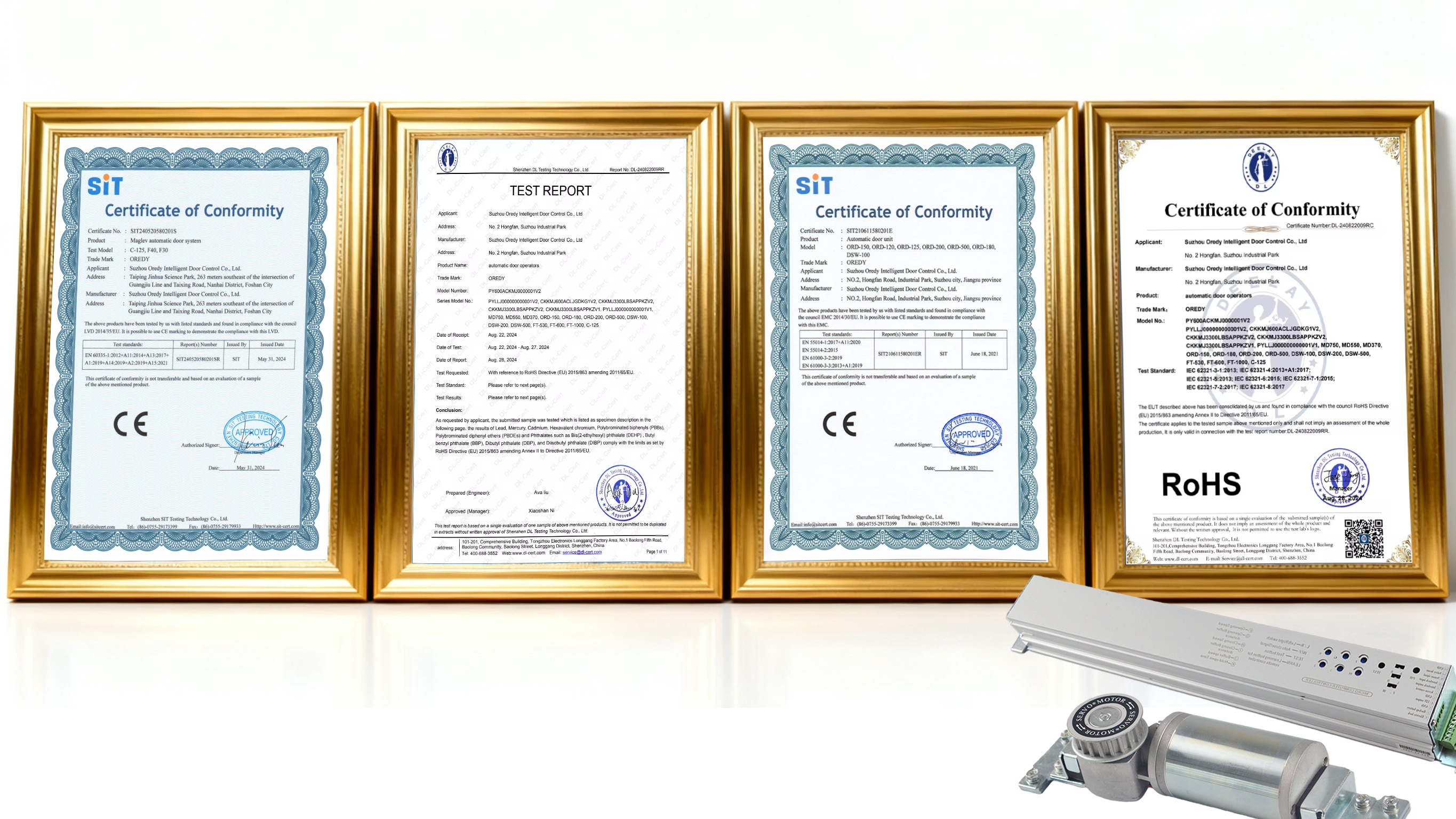
Within a leading manufacturer there will be multiple levels of quality control. This should begin by checking raw materials and then proceed through all aspects of the production line to finish with a comprehensive functional and safety check on every door they produce before it leaves their premises.
After-Sales Service & Technical Support Network
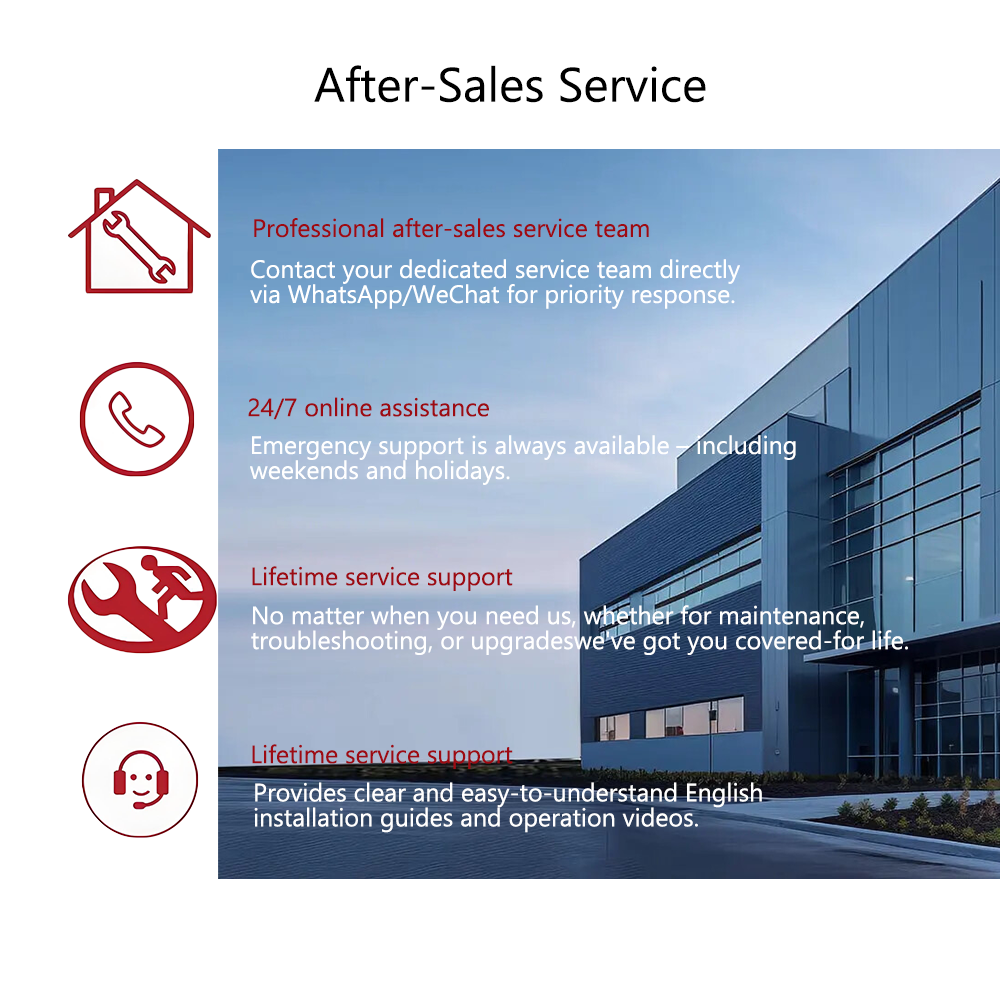
Assess a manufacturer’s ability to service by inquiring about their support team. Do they offer, or have certified affiliates across the country or world? What is a typical emergency repair time frame for them? Are there hotlines available 24 hours for technical support? Also, ask about their parts supply in general. Is there a stock of the most common spare parts that can be purchased when needed to reduce downtime? A company like Suzhou Oredy Intelligent Door Control Co., Ltd. usually focuses on building a network of good services", because reputation is built on long-term reliability. They even have proactive maintenance contracts available where their technicians will do regular inspections and adjustments to ensure issues don’t happen in the first place. This is what world class manufacturing and service are all about!
Overall Value & Total Cost of Ownership
The last pillar, which is probably the most misconstrued, is total value. Most buyers make the mistake of just looking at the purchasing price. But the actual cost of an automatic door is in its Total Cost of Ownership (TCO) across a service life, which might be 15 years or more.
TCO consists of initial purchase, supplemented with regular service costs, spare parts replacement and energy consumed. You may be tempted by a less expensive door of lower quality, but such decisions can turn out to be financial sinkholes. It could use a lot more power, break down often and end up having to be replaced decades before its time.
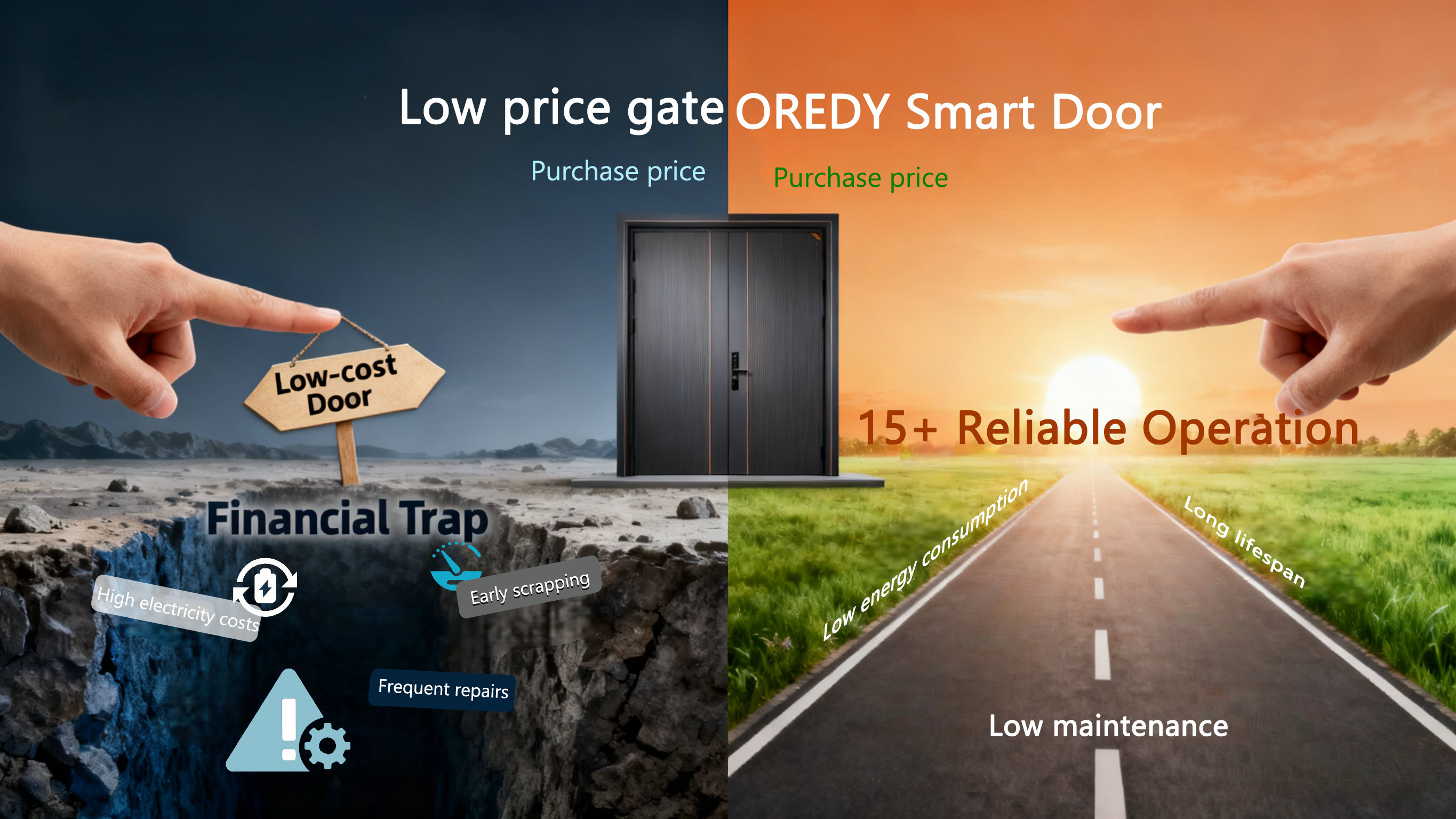
The cheap door, a luxury purchase for sure but an engineering-focused manufacturer will offer premium quality construction and is built to perform at its best from day one. Its motors use less power, its parts are long-lasting and it breaks down a lot less. Pairing this level of innate reliability with the manufacturer's proven aftermarket network means lower overall maintenance and repair cost over time. So when you judge proposals, look beyond the bottom line. Consider the quality of the supplied parts, energy rating and warranty offered as well as projected maintenance schedule and costs. A brand that believes it their product will last a lifetime are willing to back it up with a better warranty. Selecting with TCO in mind vs first cost can assure you of a sound financial decision that will easily save money and produce trouble-free operation for 10 years or more.
In summary, choosing an automatic door manufacturer is a strategic choice. By thoroughly assessing them under these four dimensions -- Engineering Capability, Quality Control, After-Sales Service and Total Cost of Ownership -- you stop making price apples-to-apples comparisons. You select a lifelong partner that is committed to the security, performance and longevity of your building entrances today, tomorrow and far into the future.