| Technology | Microwaveµwave disposer |
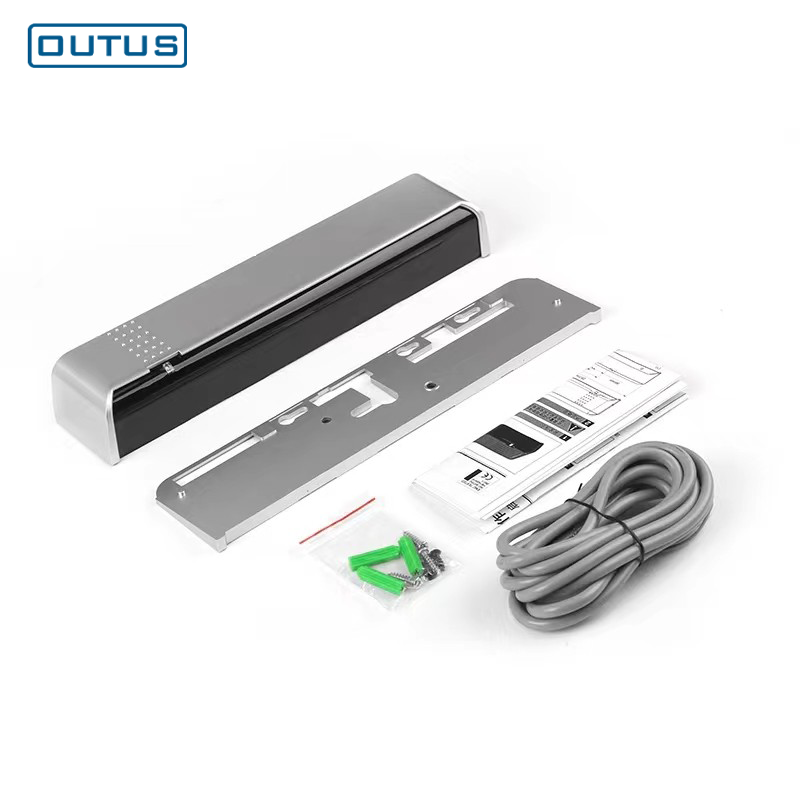
| Transmitting power | 20dBm EIRP |
| Installation Height | 3M(MAX) |
| Detection Mode | Motion |
| Power | 2W(VA) |
| Maximum voltage | 42AC-60V DC |
| Maximum switching power | 30W(DC)/6OVA(AC) |
| Guide line | 2.5M |
| Protection class | IP54 |
| Color | silvery |
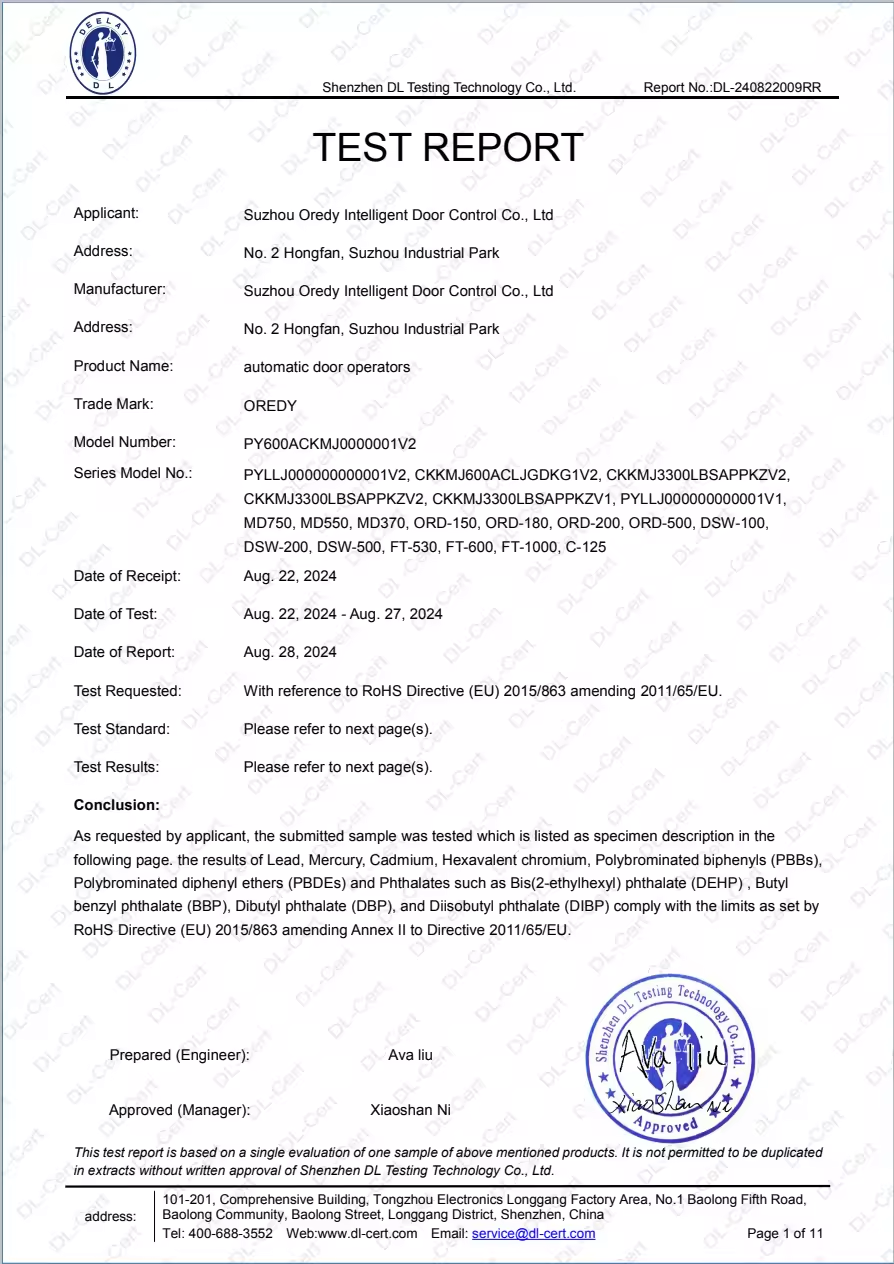
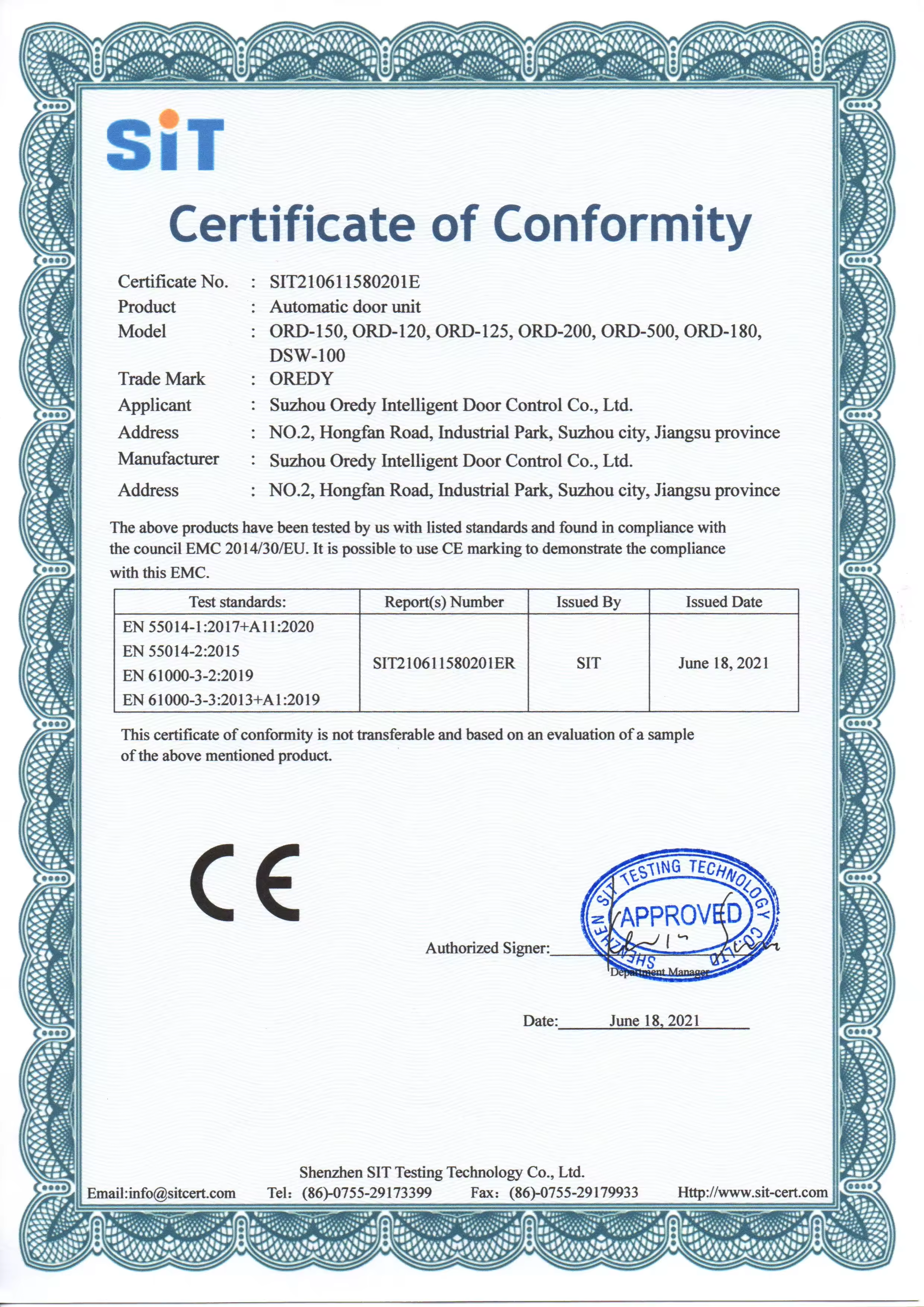
| Anti-interference performance | R&TTE 1995/5/EC,EMC 89/366/EEC |
| Power Voltage | 12V to 30V AC+/-10%(50Hz to 60Hz);12V to 36V DC |
| Size | 120mm(W)x 80mm(H)x50mm(D) |
| Frequency | 24.125GHz |
| Launch frequency density | 5mW/cm2 |
| Installation Angle | 0-90 degree(lengthways) -30 to +30(lateral) |
| Min detection speed | 5cm/s |
| Detection range | 8m*4m(Installation Height 2.2M) |
| Maximum Current | 1A |
| Retention time | 0.5S |
| Working temperature | -20 ℃ to+55 ℃ |
| Sheating material | ABS plastic |
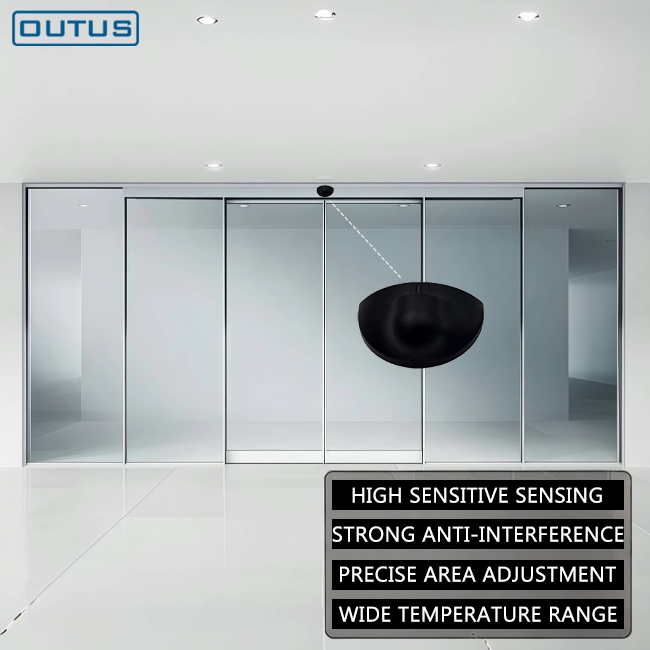
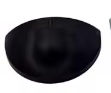
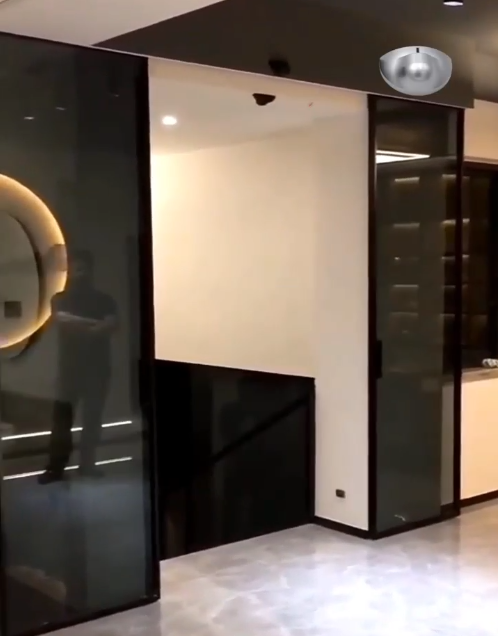
A microwave sensor is an electronic device that uses microwave technology to detect the motion, distance, or speed of an object. It achieves the detection function by emitting high-frequency electromagnetic waves (typically in the frequency bands of 5.8 GHz, 10.525 GHz, or 24 GHz) and analyzing the signal changes of the reflected waves.




| Technology | Microwaveµwave disposer |
| Transmitting power | 20dBm EIRP |
| Installation Height | 3M(MAX) |
| Detection Mode | Motion |
| Power | 2W(VA) |
| Maximum voltage | 42AC-60V DC |
| Maximum switching power | 30W(DC)/6OVA(AC) |
| Guide line | 2.5M |
| Protection class | IP54 |
| Color | silvery |
| Anti-interference performance | R&TTE 1995/5/EC,EMC 89/366/EEC |
| Power Voltage | 12V to 30V AC+/-10%(50Hz to 60Hz);12V to 36V DC |
| Size | 120mm(W)x 80mm(H)x50mm(D) |
| Frequency | 24.125GHz |
| Launch frequency density | 5mW/cm2 |
| Installation Angle | 0-90 degree(lengthways) -30 to +30(lateral) |
| Min detection speed | 5cm/s |
| Detection range | 8m*4m(Installation Height 2.2M) |
| Maximum Current | 1A |
| Retention time | 0.5S |
| Working temperature | -20 ℃ to+55 ℃ |
| Sheating material | ABS plastic |












 EN
EN