

ကမ္ဘာလုံးဆိုင်ရာ အလိုအလျောက် တံခါးဈေးကွက်သည် နည်းပညာဆိုင်ရာ တီထွင်မှုများ၊ မြို့ပြဖွံ့ဖြိုးမှုများနှင့် လုံခြုံရေးနှင့် ကျန်းမာရေး သန့်ရှင်းမှုအပေါ် သတိပေးမှုများ မြင့်မားလာခြင်းတို့ကြောင့် တည်ငြိမ်စွာ ကြီးထွားလာနေပါသည်။ Global Market Insights ၏ မကြာသေးမီက ထုတ်ပြန်ခဲ့သည့် အစီရင်ခံစာအရ ကမ္ဘာလုံးဆိုင်ရာ အလိုအလျောက် တံခါးဈေးကွက်အရွယ်အစားသည် ၂၀၂၄ ခုနှစ်တွင် ၁၃.၇ ဘီလီယံ အမေရိကန်ဒေါ်လာမှ ၂၀၃၄ ခုနှစ်တွင် ၂၃.၆ ဘီလီယံ အမေရိကန်ဒေါ်လာသို့ ရှေးနေမည်ဖြစ်ပြီး နှစ်စဥ် ပျမ်းမျှ ကြီးထွားမှုနှုန်း (CAGR) သည် ၅.၆% ဖြစ်မည်ဟု ခန့်မှန်းထားပါသည် \[၁\]။ ဤအစီရင်ခံစာသည် ဈေးကွက်အရွယ်အစား၊ အဓိက ကြီးထွားမှု အားများ၊ အဓိက ထုတ်ကုန်အမျိုးအစားများ၊ ဒေသအလိုက် ဈေးကွက်အခွင့်အလမ်းများနှင့် ပြိုင်ဆိုင်မှု ပုံပေါ်မှုများကို နက်နက်နဲနဲ ဆန်းစစ်ပေးပါသည်။ ထို့အပေါ်အခြေခံ၍ အဆောက်အဦး လုပ်ငန်းတွင် အလုပ်လုပ်သည့် ပညာရှင်များအတွက် စုံလင်သည့် ဆုံးဖြတ်ချက်ချမှတ်ရေး ကိုးကားမှုများကို ပေးအပ်ပါသည်။
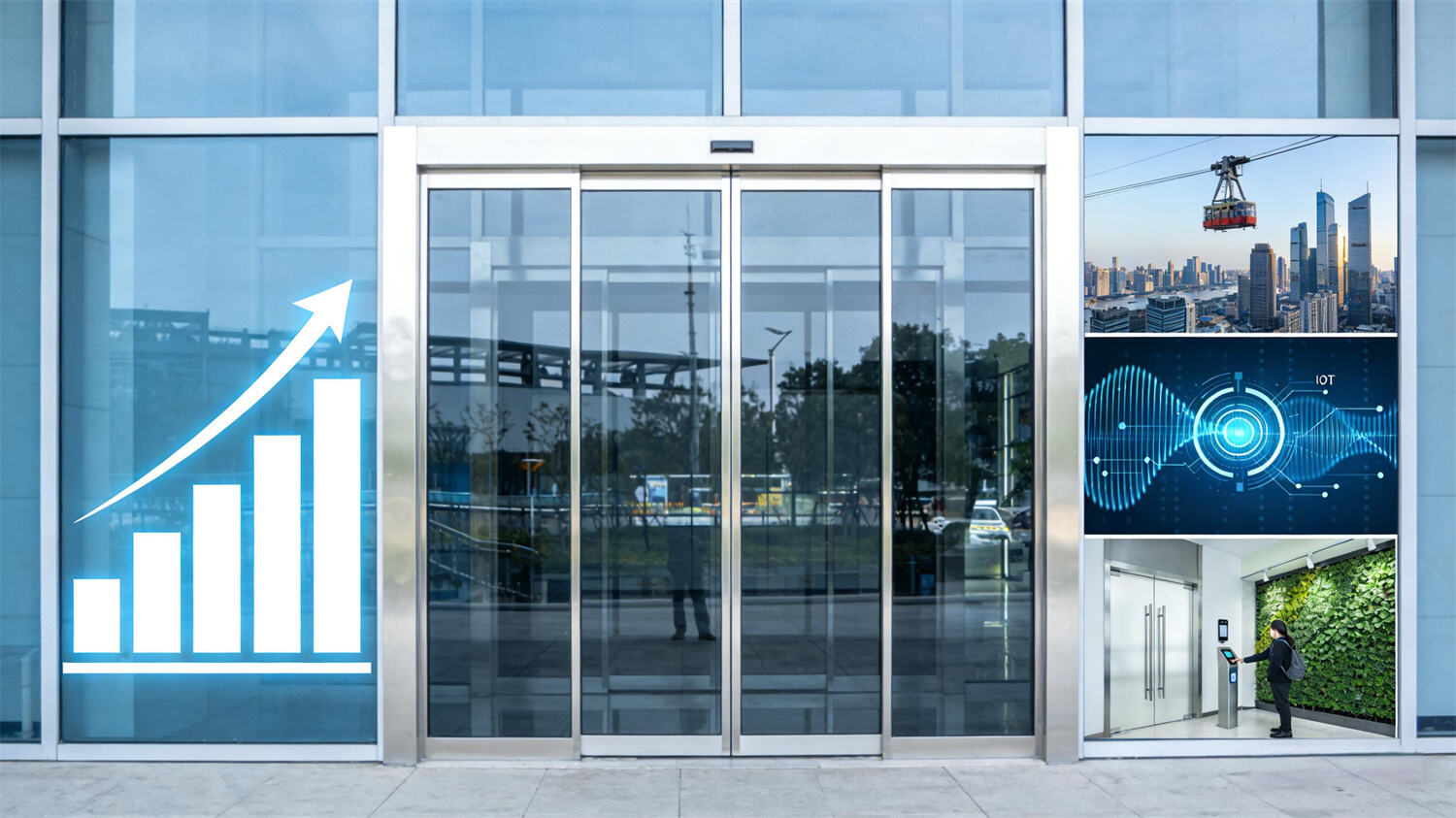
ဈေးကွက်အရွယ်အစားနှင့် ကြီးထွားမှု ခန့်မှန်းချက်
အလိုအလျောက် တံခါးများသည် ခေတ်မှီ ဗိသုကာလုပ်ငန်း၏ အစိတ်အပိုင်းတစ်ခုအဖြစ် အလွန်အရေးကြီးလာခဲ့ပါသည်။ ဈေးကွက်အရွယ်အစား၏ တည်ငြိမ်စွာ ကြီးထွားလာမှုသည် ကမ္ဘာလုံးဆိုင်ရာ အဆောက်အဦးလုပ်ငန်း၏ ဆက်လက်ဖွံ့ဖြိုးမှုနှင့် ပိုမိုမြင့်မားသည့် ထိရောက်မှု၊ လုံခြုံမှုနှင့် အဆင်ပေးမှုကို ရှာဖွေခြင်းကို ထင်ဟပ်ပေးပါသည်။
| ဈေးကွက်ညွှန်းကိန်းများ | အချက်အလက် | အရင်းအမြစ် |
| ၂၀၂၄ ခုနှစ်တွင် ဈေးကွက်အရွယ်အစား | ၁၃.၇ ဘီလီယံ အမေရိကန်ဒေါ်လာ | ကမ္ဘာလုံးဆိုင်ရာ စျေးကွက်အသိအမြင်များ [၁] |
| ၂၀၃၄ ခုနှစ်အတွက် ခန့်မှန်းချက်အရွယ်အစား | အမေရိကန်ဒေါ်လာ ၂၃.၆ ဘီလီယံ | ကမ္ဘာလုံးဆိုင်ရာ စျေးကွက်အသိအမြင်များ [၁] |
| ပုံမှန်နှစ်စဥ် ကြီးထွားမှုနှုန်း (၂၀၂၅–၂၀၃၄) | 5.6% | ကမ္ဘာလုံးဆိုင်ရာ စျေးကွက်အသိအမြင်များ [၁] |
| အဓိက မောင်းနှင်သည့် အကြောင်းရင်းများ | မြို့ပြဖွံ့ဖြိုးမှု၊ စမတ်အဆောက်အဦများနှင့် ထိတ်တွေ့မှုမရှိသော ဖြတ်သန်းမှုအတွက် ဝယ်လိုအား | စုံလင်သော ဆန်းစစ်မှု |
ဤကြီးထွားမှုအလားအလာသည် နောင်တစ်ဆယ်နှစ်ကြား OUTUS ကဲ့သို့သော အထူးပြုထုတ်လုပ်သည့်ကုမ္ပဏီများအတွက် စျေးကွက်အခွင့်အလမ်းများကို အလွန်များပြားစေသည်။
အဓိက ကြီးထွားမှုမောင်းနှင်သည့် အကြောင်းရင်းများ
၁။ မြို့ပြဖွံ့ဖြိုးတိုးတက်မှုနှင့် အခြေခံအဆောက်အအုံ ဖွံ့ဖြိုးတိုးတက်မှု- အထူးသဖြင့် အာရှ-ပစိဖိတ်နှင့် အာဖရိကကဲ့သို့သော ထွန်းသစ်စဈေးကွက်များတွင် အကြီးစားမြို့ပြဖွံ့ဖြိုးတိုးတက်မှုနှင့် အခြေခံအဆောက်အအုံစီမံကိန်းအသစ်များ (ဥပမာ- လေဆိပ်များ၊ ဈေးဝယ်စင်တာများ၊ ဆေးရုံများ) သည် အလိုအလျောက်တံခါးများအတွက် အဓိကဝယ်လိုအားရင်းမြစ်များဖြစ်သည်။
၂။ ထိတွေ့မှုမရှိသော ဝင်ရောက်မှုအတွက် လိုအပ်ချက်များ - ပိုးသေးငယ်သော ပိုးမွှားများကြောင့် ဖြစ်ပွားသည့် ကမ္ဘာ့ကပ်ရေးကြောင့် နောက်ပိုင်းတွင် ပြည်သူများ၏ သန့်ရှင်းရေးနှင့် လုံခြုံရေးအပေါ် အာရုံစိုက်မှုသည် အထိအရောက်မှုမရှိသော ဝင်ရောက်မှုဖြေရှင်းနည်းများကို ပေးစေသည့် အလိုအလျောက် တံခါးများသည် ကူးစက်မှုအန္တရာယ်ကို လျှော့ချရန်အတွက် စံသတ်မှတ်ချက်အဖြစ် ပေါ်ပေါက်လာခဲ့ပါသည်။ အထူးသဖြင့် ကျန်းမာရေးစောင်းဆောင်မှု၊ စီးပွားရေးလုပ်ငန်းများနှင့် အများပြည်သူအသုံးပြုသည့် အဆောက်အဦများတွင် အလွန်အရေးကြီးပါသည်။
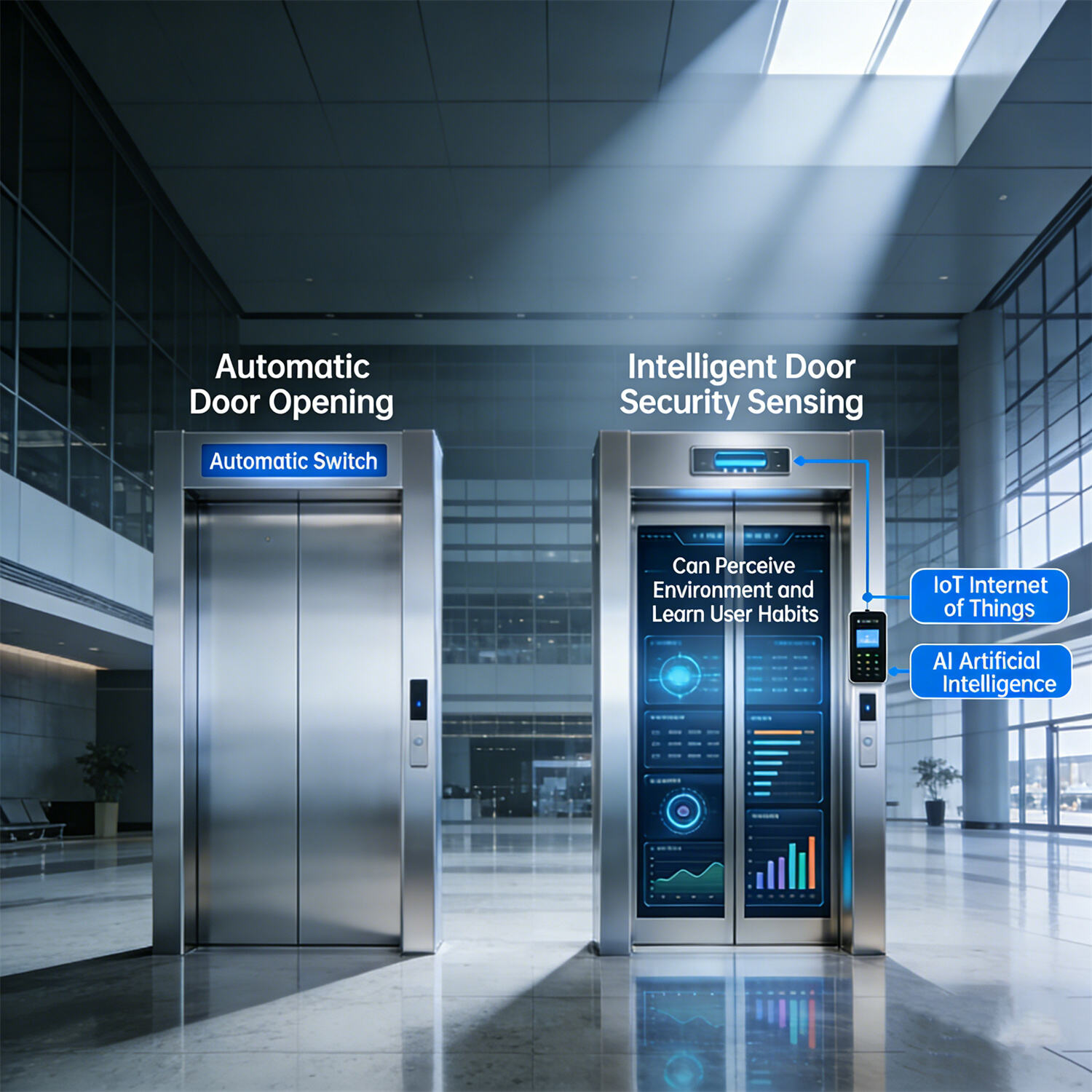
၃။ နည်းပညာဆိုင်ရာ တီထွင်မှုများနှင့် အသိဉာဏ်ရှိသော ပေါင်းစပ်မှုများ - အင်တာနက်သုံး အရှိန်အဟုန် (IoT)၊ အသိဉာဏ်ရှိသော အင်ဂျင် (AI) နှင့် ဇီဝမှုနည်းပညာ (biometric technologies) တို့တွင် တိုးတက်မှုများကြောင့် အလိုအလျောက် တံခါးများသည် ပိုမိုအသိဉာဏ်ရှိလာပြီး ပိုမိုလုံခြုံလာခဲ့ပါသည်။ အဆောက်အဦများ စီမံခန့်ခွဲမှုစနစ်များ (BMS) နှင့် ပေါင်းစပ်နိုင်သည့် အသိဉာဏ်ရှိသော တံခါးထိန်းချုပ်မှုစနစ်များသည် ဈေးကွက်တွင် အသစ်သော လူကြိုက်များသည့် ထုတ်ကုန်များအဖြစ် ပေါ်ပေါက်လာခဲ့ပါသည်။
၄။ စိမ်းလန်းသော အဆောက်အဦများ၏ စံသတ်မှတ်ချက်များ - စွမ်းအင်ချွေတာမှုနှင့် မှုန်မှုန်ထွက်မှုလျှော့ချရေးအပေါ် ကမ္ဘာလုံးဆိုင်ရာ အာရုံစိုက်မှုများကြောင့် LEED နှင့် BREEAM ကဲ့သို့သော စိမ်းလန်းသော အဆောက်အဦများ အသိအမှတ်ပြုမှုများကို အသုံးပြုခြင်းသည် တိုးတက်လာခဲ့ပါသည်။ အထူးကောင်းမွန်သော စွမ်းဆောင်ရည်ရှိပြီး စွမ်းအင်ချွေတာနိုင်သည့် အလိုအလျောက် တံခါးများကို အဆောက်အဦများ၏ စွမ်းအင်သုံးစွဲမှုကို လျှော့ချရေးတွင် အထူးထိရောက်မှုရှိသည့်အတွက် အလွန်လိုအပ်နေပါသည်။
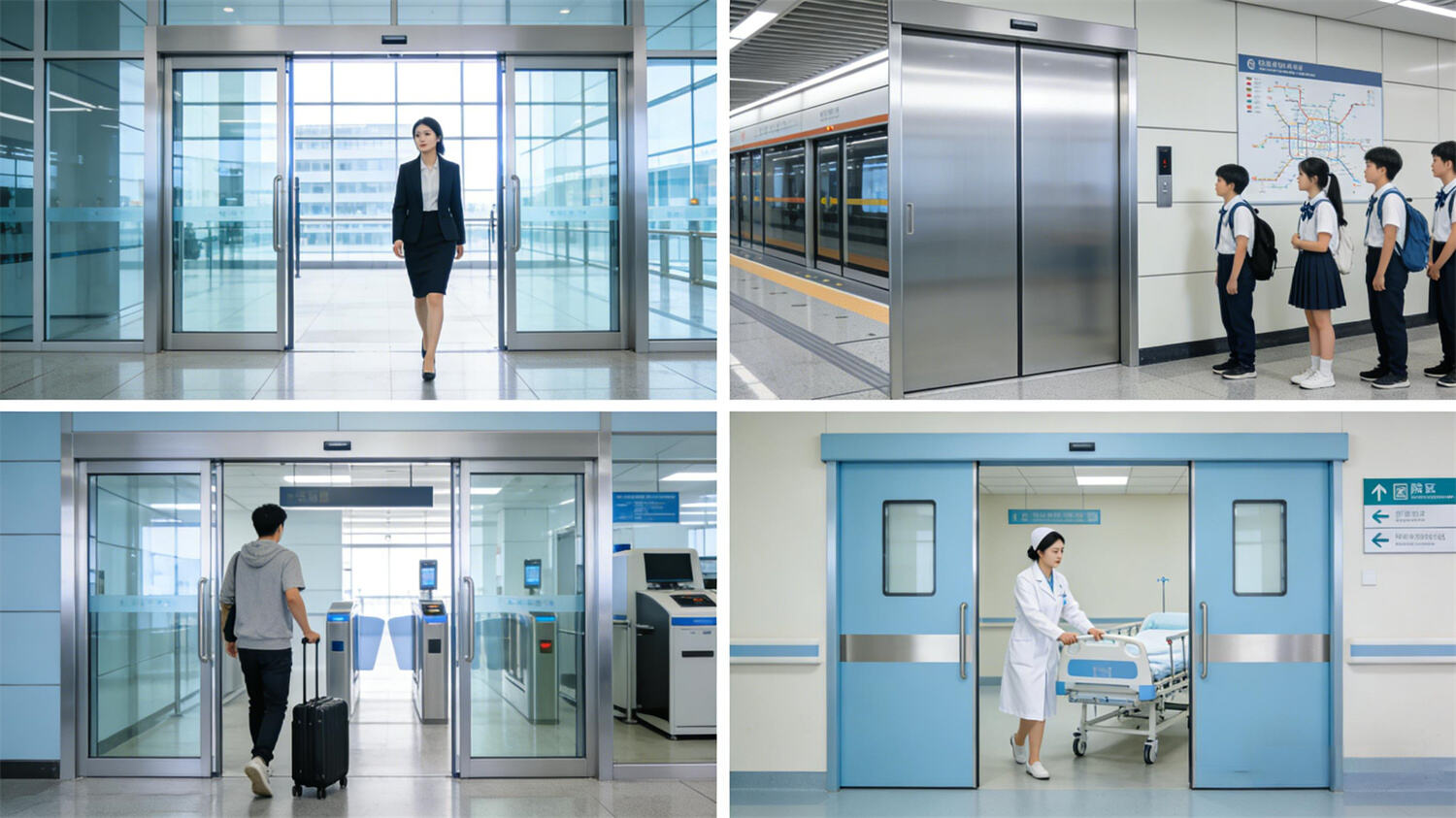
အဓိက ထုတ်ကုန်အများအပါးကို ဆန်းစစ်ခြင်း
အလိုအလျောက်တံခါးဈေးကွက်သည် ထုတ်ကုန်အများအပြားဖွဲ့စည်းထားပြီး ရှလိုင်ဒ်တံခါးများသည် အထင်ရှားဆုံးအနေဖဲ့ နေရာယူထားသည်။
GMI အချက်အလက်များအရ ၂၀၂၄ ခုနှစ်တွင် ရှလိုင်ဒ်တံခါးများသည် ဈေးကွက်ဝေစု၏ ၄၁% ခန့်ကို ကိုင်စွဲခဲ့ပြီး နောင်တစ်ဆယ်နှစ်ကြား နှစ်စဥ်ပျမ်းမျေား အရှိန်မှုန်း ၅.၇% ထက်ပိုမိုမြန်ဆန်စွာ တိုးတက်လာမည်ဟု မျှော်မှန်းထားသည်။
၎င်းတံခါးများ၏ လူကြိုက်များမှုသည် နေရာအသုံးချမှု အထိရောက်ဆုံးဖြစ်ခြင်း (ဖွင့်လှစ်ရာတွင် နေရာလွတ်မှုမှုလိုအပ်ခြင်းမရှိခြင်း)၊ ခေတ်မီပြီး သန့်ရှင်းသော ဒီဇိုင်းနှင့် အသုံးပြုမှုကျယ်ပြောသော အခြေအနေများ (အဆင့်မြင့်ရုံးအဆောက်အဦများမှ စတင်၍ အရှုပ်ထွေးသော စျေးဆိုင်များအထိ) တို့မှ အဓိကအားဖြင့် စတင်လာခြင်းဖြစ်သည်။
အခြားအဓိကထုတ်ကုန်အများအပြားများမှာ-
- စွပ်ပေါက်တံခါးများ - လူစီးသော ပမာဏနိမ့်သောနေရာများ သို့မဟုတ် တံခါးဖွင့်လှစ်ရာတွင် သတ်မှတ်ထားသော ဖွင့်လှစ်မှုအများအပြားကို လိုအပ်သည့်နေရာများတွင် အသုံးများသည်။
- လှည့်ပေါက်တံခါးများ - အတွင်းပိုင်းနှင့် အပြင်ပိုင်းပတ်ဝန်းကျင်များကို ခွဲခြားထားရာတွင် အထိရောက်ဆုံးဖြစ်ပြီး အတွင်းပိုင်းအပူခါးမှုကို ထိန်းသိမ်းရာတွင် အထိရောက်ဆုံးဖြစ်သည်။ ဟိုတယ်များနှင့် အကြီးစားရုံးအဆောက်အဦများ၏ ဝင်ပေါက်များတွင် အများအားဖြင့် တွေ့ရသည်။
- စက်မှုတံခါးများ - အမြန်နှုန်းမြင့် ရောလာရှတ်တာများ၊ ဂာရေးဂ်တံခါးများ စသည်တို့ကို ပါဝင်ပြီး ခံနိုင်ရည်ရှိမှု၊ အမြန်နှုန်းနှင့် ဘေးကင်းရေးတို့ကို အလေးပေးထားသည်။
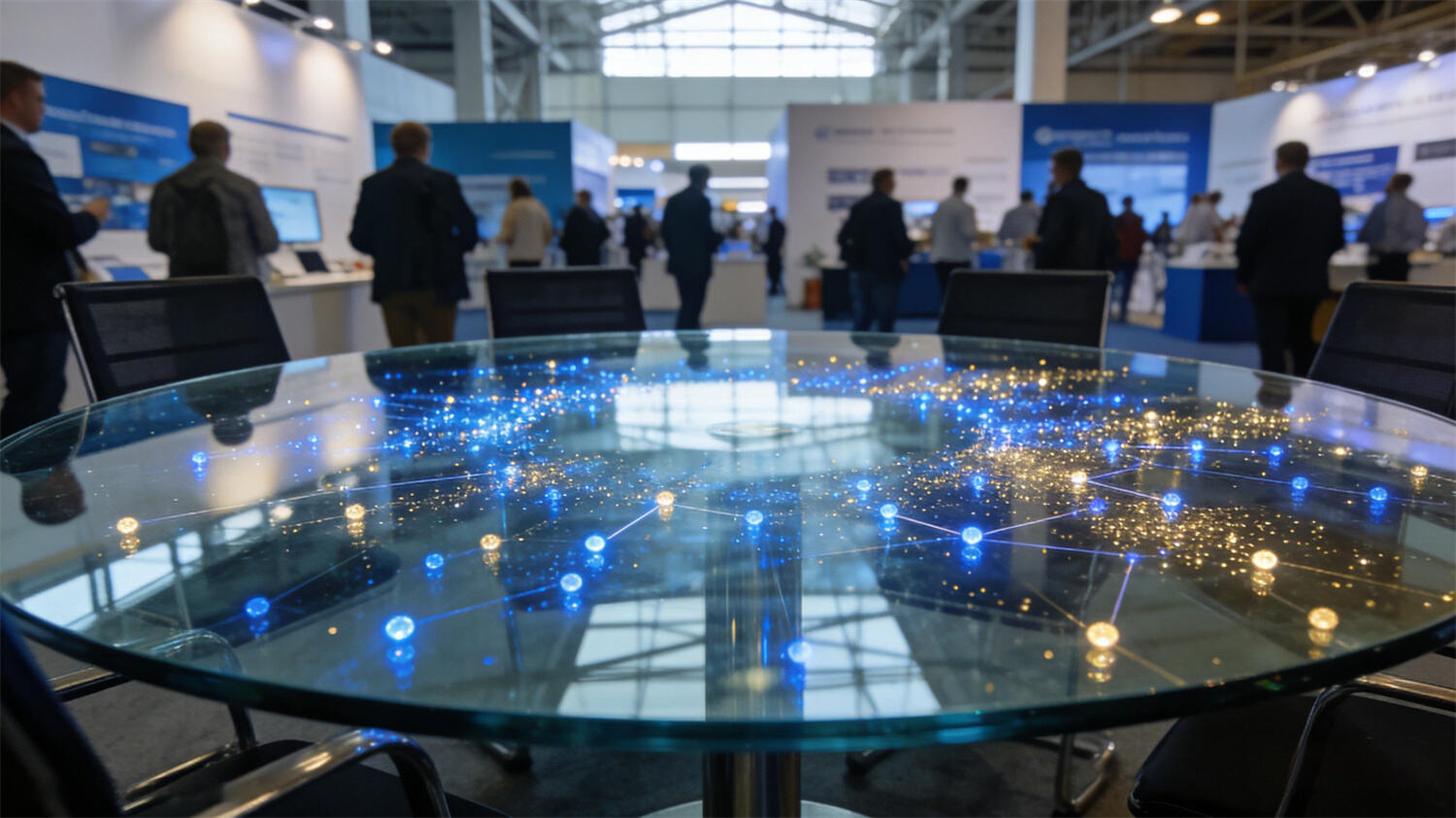
ဒေသအလိုက် ဈေးကွက်အခွင့်အလမ်းများ
| ဒေသ | ဈေးကွက်တွင် အနေအထား | တိုးတက်မှု လက္ခဏာများ | အဓိက အားပေးမှုအရင်းအမြစ် |
| မြောက်အမေရိက | ကမ္ဘာ့အကြီးဆုံးဈေးကွက် | ဈေးကွက်သည် အသုံးပြုမှုကြာများပြီး ပြုပြင်မှုနှင့် အဆင့်မြှင့်မှုများကို အဓိကထားသည် | လွယ်ကူစွာ ဝင်ရောက်နိုင်ရေးဆိုင်ရာ စည်းမျဉ်းများ (ADA) ကို တင်းကြပ်စွာ အကောက်အသုံးပြုခြင်းနှင့် အလိုအလျောက်စနစ်များ အသုံးပြုမှုနှုန်းမြင့်မားခြင်း |
| ဥရောပ | ဒုတိယအကြီးဆုံးဈေးကွက် | လုံခြုံရေးစံနှုန်းများနှင့် စွမ်းအင်ချွေတာရေး ပြုပြင်မှုများကို အလေးပေးခြင်း | တင်းကြပ်သော EN 16005 လုံခြုံရေးစံနှုန်းများနှင့် အသိဉာဏ်ရှိသော အဆောက်အဦးစနစ် |
| အာရှ-ပစိဖိတ်ဒေသ | အမြန်ဆုံးကြီးထွားမှု (CAGR ၆.၁%) | အသစ်သော စီမံကုန်များဖြင့် မောင်းနှင်ထားပါသည်၊ ဈေးကွက်အလားအလာသည် အလွန်ကြီးမားပါသည် | မြန်နှုန်းမြင့် မြို့ပြဖွံ့ဖြိုးရေး၊ အရေးကြီးသော အခြေခံအဆောက်အအိုအ်များသို့ ရင်းနှီးမှုများနှင့် စမတ်မြို့တော် အစီအစဉ်များ |
| မြောက်အာဖရိကနှင့် အရှေးအလယ်ပိုင်း | ထွန်းသစ်စစျေးကွက်များ | အခြေခံအဆောက်အအုံစီမံကုန်းများသည် ဝယ်လိုအားကို မောင်းနှင်သည်။ | မြို့ပြဖွံ့ဖြိုးရေး၊ လုံခြုံရေးလိုအပ်ချက်များနှင့် အဆင့်မြင့် ကုန်းသမ်းရေးစီမံကုန်းများ |
OUTUS အတွက် ဥရောပနှင့် အမေရိကန်ပြည်ထောင်စုကဲ့သို့သော ဖွံ့ဖြိုးပြီးသော ဈေးကွက်များတွင် နေရာချမှုကို ခိုင်မာစေရန် အာရှ-ပစိဖိတ်ဒေသ (အထူးသဖြင့် အရှေ့တောင်အာရှ) သည် နောင်တစ်ဆယ်နှစ်ကြား အရေးအကြီးဆုံး ဗျူဟာမြောက် ကြီးထွားမှုအင်ဂျင်ဖြစ်လိမ့်မည်။ ထို့အတူ အာဖရိကနှင့် အလယ်ပိုင်းအရှေးနိုင်ငံများတွင် အခြေခံအဆောက်အအုံများ တည်ဆောက်ရေး စီမံကုန်းများ ပေါ်ပေါက်လာခြင်းသည်လည်း စက်မှုနှင့် ကုန်းသမ်းဆိုင်ရာ တံခါးထုတ်ကုန်များအတွက် ကျယ်ပေါင်းသော အခွင့်အလမ်းများကို ဖန်တီးပေးပါသည်။
ပြိုင်ဘက်များ၏ စျေးကွက်အခြေအနေ ဆန်းစစ်ခြင်း
ကမ္ဘာလုံးဆိုင်ရာ အလိုအလျောက်တံခါးဈေးကွက်သည် အလွန်အများကြီး ပေါက်ကွဲနေသော ပြိုင်ဆိုင်မှုပုံစံကို ပြသသည်။ ဈေးကွက်ခေါင်းဆောင် ASSA ABLOY သည် ဈေးကွက်၏ ၄% သာ ပိုင်ဆိုင်သည်။ ထိပ်တန်း ၅ ခုသော ကုမ္ပဏီများ (ASSA ABLOY, Dormakaba, GEZE, Horton, Nabtesco) သည် ဈေးကွက်၏ ၁၂% ခန့်ကို ပေါင်းစပ်ပိုင်ဆိုင်သည်။
ဤပုံစံသည် OUTUS အတွက် အောက်ပါအတိုင်း အဓိပ္ပာယ်ရှိသည်။
၁။ ဈေးကွက်သို့ ဝင်ရောက်ရေးအခွင့်အလမ်း - လုံးဝသော အမိုနိုပေါလီစတ် မရှိသောကြောင့် အသစ်သော အမှတ်တံဆိပ်များသည် အသုံးပြုမှုအဆင့်မြင့်သော ကြီးထွားမှုအတွက် အလွန်ကောင်းမွန်သော အခွင့်အလမ်းများကို ရရှိနေသည်။
၂။ ကွဲပြားမှုသည် အရေးကြီးသည် - အထူးပုဒ်မာ (ဥပမါ- စမတ် ဆလိုင်ဒ် တံခါးများ)၊ အထူးဒေသ (ဥပမါ- အရှေ့တောင်အာရှ) သို့မဟုတ် အထူးဖြေရှင်းနည်းများ (ဥပမါ- IoT ပေါင်းစပ်မှု) တွင် အာရုံစိုက်ခြင်းဖြင့် အကောင်းမွန်စွာ အားသာချက်များကို တည်ဆောက်နိုင်ပါသည်။
၃။ ရောင်းချမှုလမ်းကြောင်းများသည် အရေးကြီးသည် - အဝေးမှ ရောင်းချမှုများသည် အဓိက ရောင်းချမှုပုံစံဖြစ်သောကြောင့် အားကောင်းပြီး သစ္စာရှိသော ကမ္ဘာလုံးဆိုင်ရာ ဖြန့်ဖြူးရောင်းချသူ ကွန်ရက်ကို တည်ဆောက်ခြင်းသည် အောင်မြင်မှုအတွက် အလွန်အရေးကြီးပါသည်။
အဆုံးသတ်
ကမ္ဘာလုံးဆိုင်ရာ အလိုအလျောက် တံခါးဈေးကွက်သည် အပေါ်သို့ အမျှတစွာ တက်လာနေသော အချိန်ကာလတွင် ရှိပါသည်။ နည်းပညာဆိုင်ရာ တီထွင်မှုများသည် အဓိက မောင်းနှင်အားဖြစ်ပြီး အသစ်တွေ့ရှိရသော ဈေးကွက်များသည် အဓိက ကြီးထွားမှုနေရာများ ဖြစ်ပါသည်။ OUTUS အတွက် ဗျူဟာမြောက် ဦးစားပေးမှုများသည် အောက်ပါအတိုင်း အာရုံစိုက်ရန် လိုအပ်ပါသည်။
- အမြန်ကြီးထွားမှုရှိသော ထုတ်ကုန်များကို အာရုံစိုက်ခြင်း - ဈေးကွက်တွင် အများဆုံး အစိတ်အပိုင်းများကို ကိုင်စွဲထားပြီး အမြန်ဆုံး ကြီးထွားမှုရှိသော ဆလိုင်ဒ် တံခါး ထုတ်ကုန်များ လိုင်းတွင် အရင်းအမြစ်များကို အဆက်မပြတ် ရင်းနှီးမှုပေးခြင်း။
- အာရှ-ပစိဖိတ်ဒေသ ဈေးကွက်တွင် နက်ရှိုင်းစွာ ရှိနေခြင်း - အရှေ့တောင်အာရှကဲ့သို့သော ဒေသများတွင် မြို့ပြဖွံ့ဖြိုးရေးအကျိုးကျေးဇူးများကို အသုံးချ၍ ဒေသတွင်း အမှတ်တံဆိပ်အားသာချက်များကို တည်ဆောက်ရန်။
- နည်းပညာအမြင့်မြတ်သော အကာအကွယ်ကို ခိုင်မာစေခြင်း။ IoT နှင့် AI အခြေပြု အထိအထိုးအာရုံစိုက်မှုရှိသော တံခါးထိန်းချုပ်မှုဖြေရှင်းနည်းများကို အားကောင်းစွာ ဖွံ့ဖြိုးတိုးတက်စေခြင်းဖြင့် ဟာဒ်ဝဲထက် ပိုမိုသော တန်ဖိုးများကို ဖန်တီးပေးခြင်း။
- ကမ္ဘာလုံးဆိုင်ရာ မိတ်ဖက်များကို အားဖေးမေးပေးခြင်း။ OUTUS ဖြေရှင်းနည်းများကို ကမ္ဘာတစ်ဝှမ်းရှိ ဖောက်သည်များထံသို့ ရောက်ရှိစေရန် ထိရောက်မှုရှိသော ကမ္ဘာလုံးဆိုင်ရာ ဖြန့်ဖေးရေးကွန်ရက်ကို တည်ဆောက်ခြင်းနှင့် အားပေးမှုပေးခြင်း။


 EN
EN