
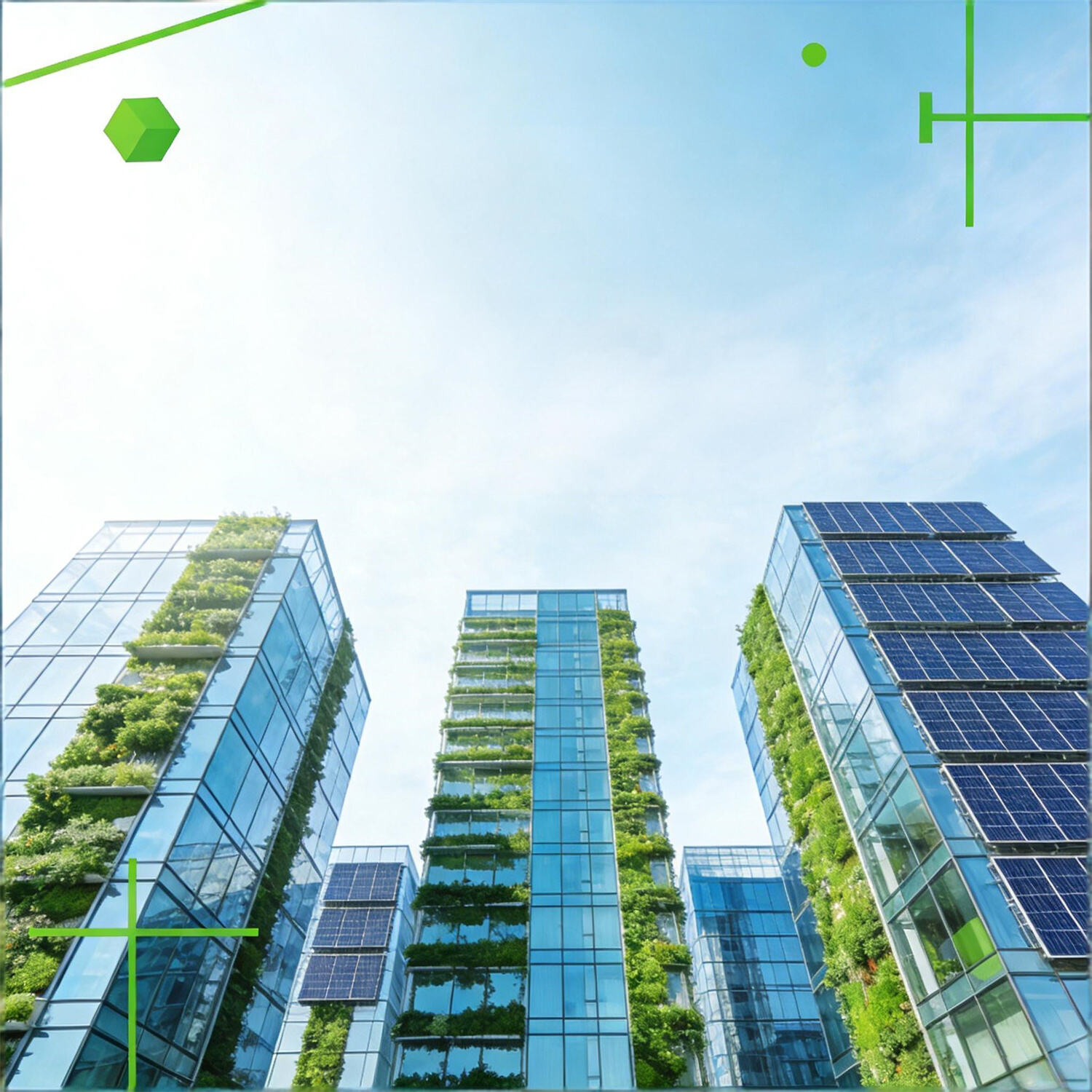
The global building materials industry stands at a historic crossroads. After a decade of strong growth, the sector now faces new challenges stemming from interest rate fluctuations, rising costs, and geopolitical uncertainties. However, challenges and opportunities go hand in hand. According to the latest analysis by McKinsey & Company, sustainability, digitalization, and supply chain resilience have emerged as the three core drivers that will determine industry leadership over the next decade. This article delves into these trends and explores their profound implications for specific building material categories such as automatic doors.
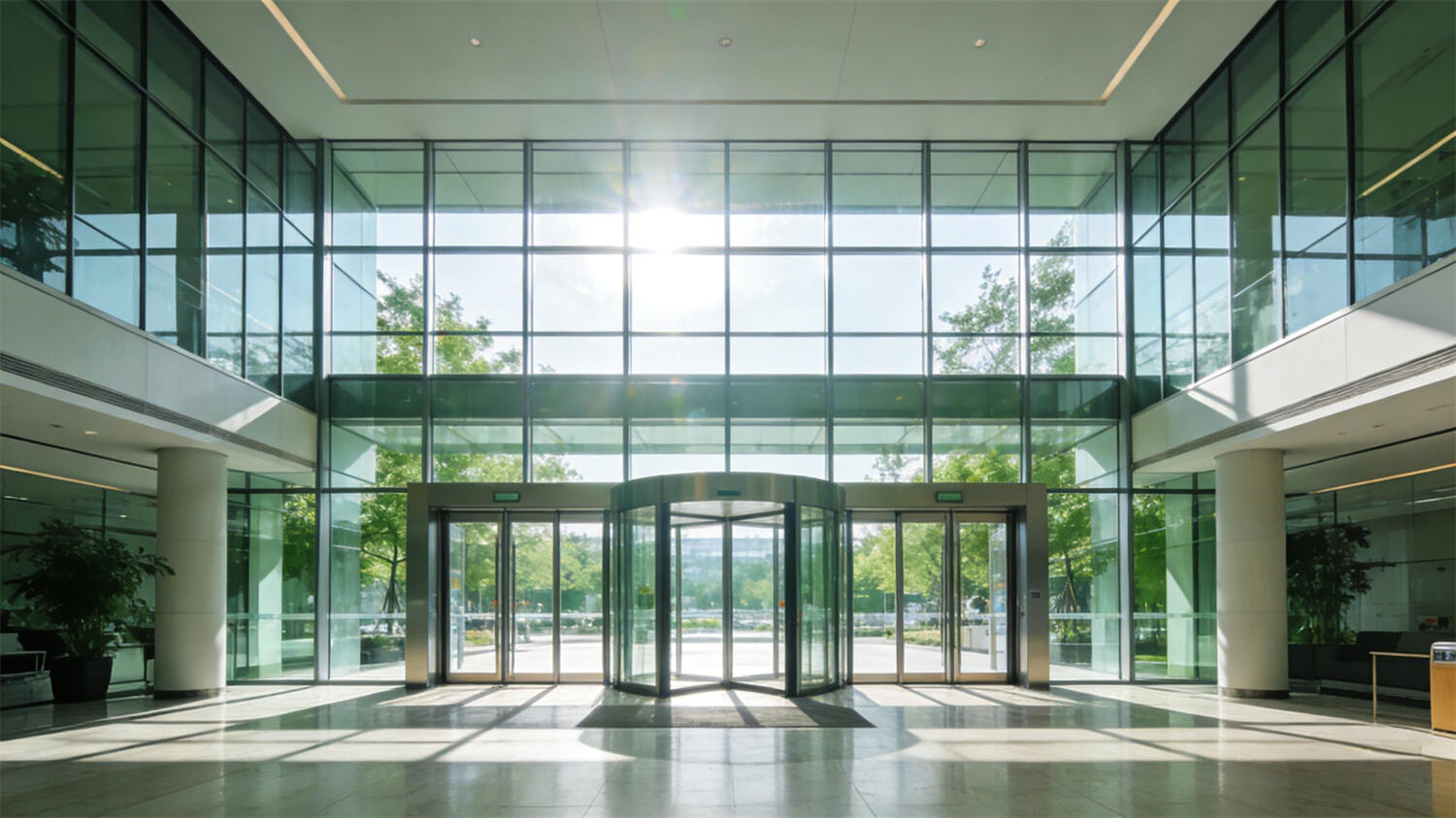
Trend 1: Sustainability Becomes the New "License to Operate"
In the past, green building might have been a nice-to-have feature, but today it has become the "license to operate" for accessing premium markets. Particularly in European and American markets, green building certification systems like LEED and BREEAM have become mainstream. For architects and developers, selecting building materials that meet these standards is no longer optional—it is a necessity.
The automatic door industry plays a crucial role in this trend. A well-designed automatic door system can significantly enhance a building's energy efficiency in the following ways:
- Reducing Air Infiltration: Compared to manual doors, automatic doors ensure rapid and complete closure after each opening, minimizing indoor-outdoor air exchange and thereby reducing the energy consumption of HVAC systems.
- Optimizing Natural Daylighting: Automatic doors designed with large glass panels can increase the penetration of natural light, reducing the need for artificial lighting during daytime hours.
- Intelligent Start/Stop: Automatic doors integrated with advanced sensors can precisely control opening duration and width, avoiding unnecessary energy loss when no one is passing through.
For OUTUS customers, this means that choosing our energy-efficient automatic door products not only reduces the long-term operational costs of buildings but also represents a crucial step towards obtaining green certifications and enhancing asset value for their projects.
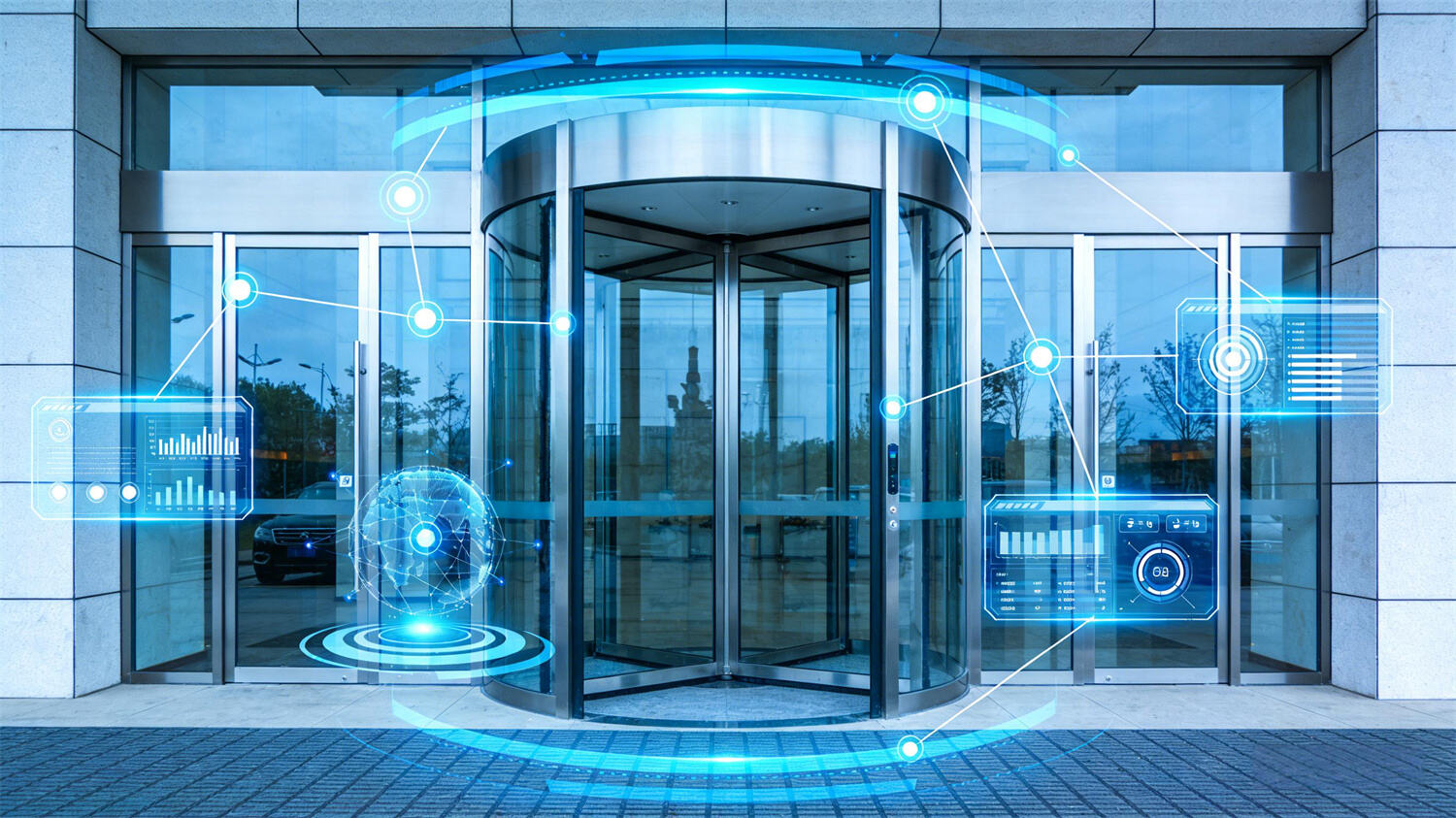
Trend 2: Digitalization Reshapes Competitive Advantage
The McKinsey report clearly indicates that the source of scale advantage in the building materials industry is shifting from traditional "factory scale" to "data and technology scale" \[1\]. This means that companies equipped with more advanced digital tools and data analytics capabilities will gain decisive advantages in procurement, pricing, and customer service.
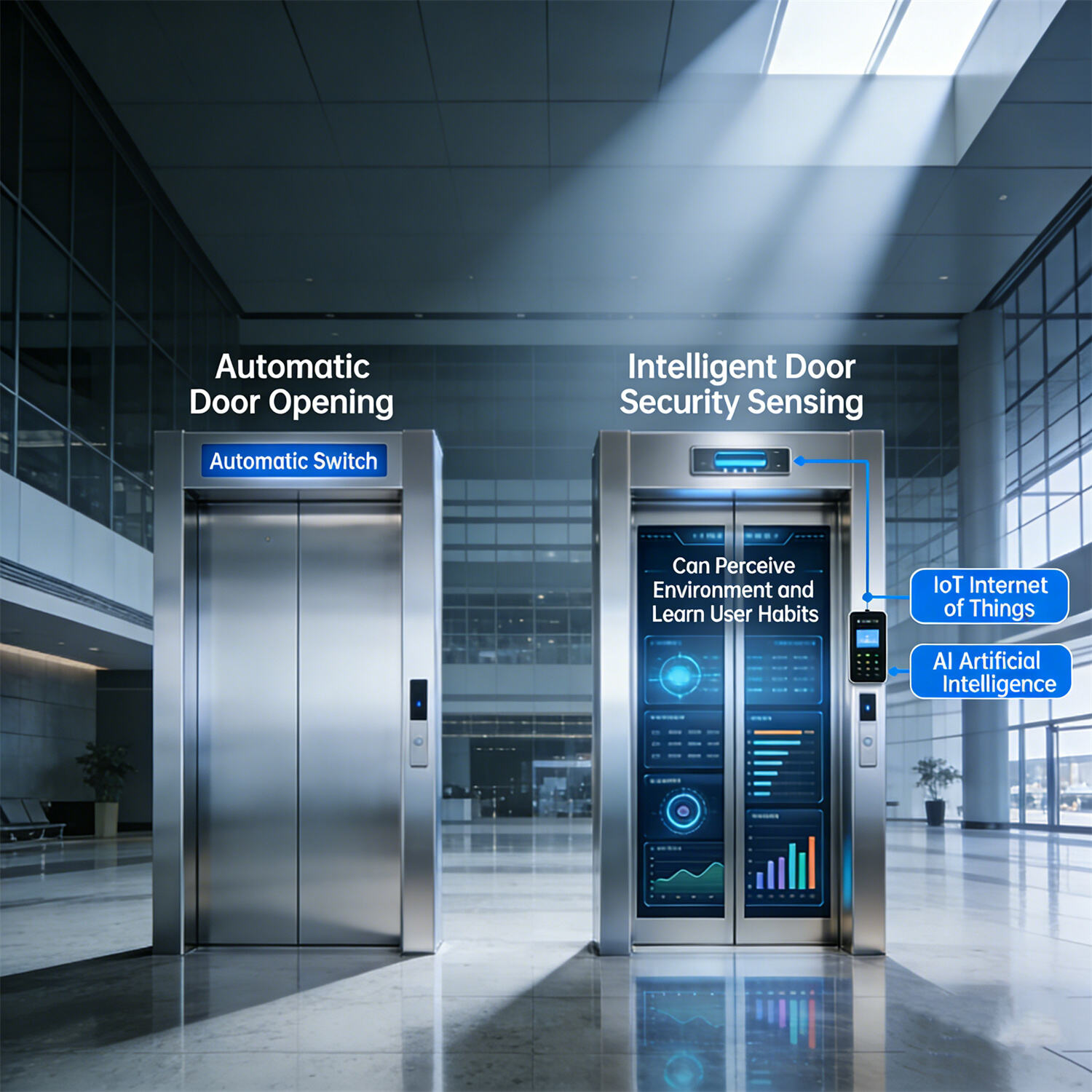
In the automatic door sector, this trend is manifested in the rise of "intelligent door control systems." Internet of Things (IoT) and Artificial Intelligence (AI) technologies are transforming automatic doors from isolated mechanical devices into integrated data hubs.
| Digital technology | Application in Automatic Door systems | The value brought to B-end customers |
| Internet of Things (IoT) | Remote monitoring of the door body status and real-time reception of fault alarms | Reduce maintenance costs and improve operational efficiency |
| Artificial Intelligence (AI) | Predictive maintenance and analysis of flow patterns to optimize opening and closing strategies | Extend the service life of equipment and avoid unexpected shutdowns |
| BMS integration | Seamless integration with building management systems (HVAC, security) | Realize true intelligent building management |
OUTUS is committed to being a leader in this digital transformation. We offer not only high-quality hardware but also intelligent solutions integrated with IoT and AI functionalities, helping our partners stay ahead in the digital age.
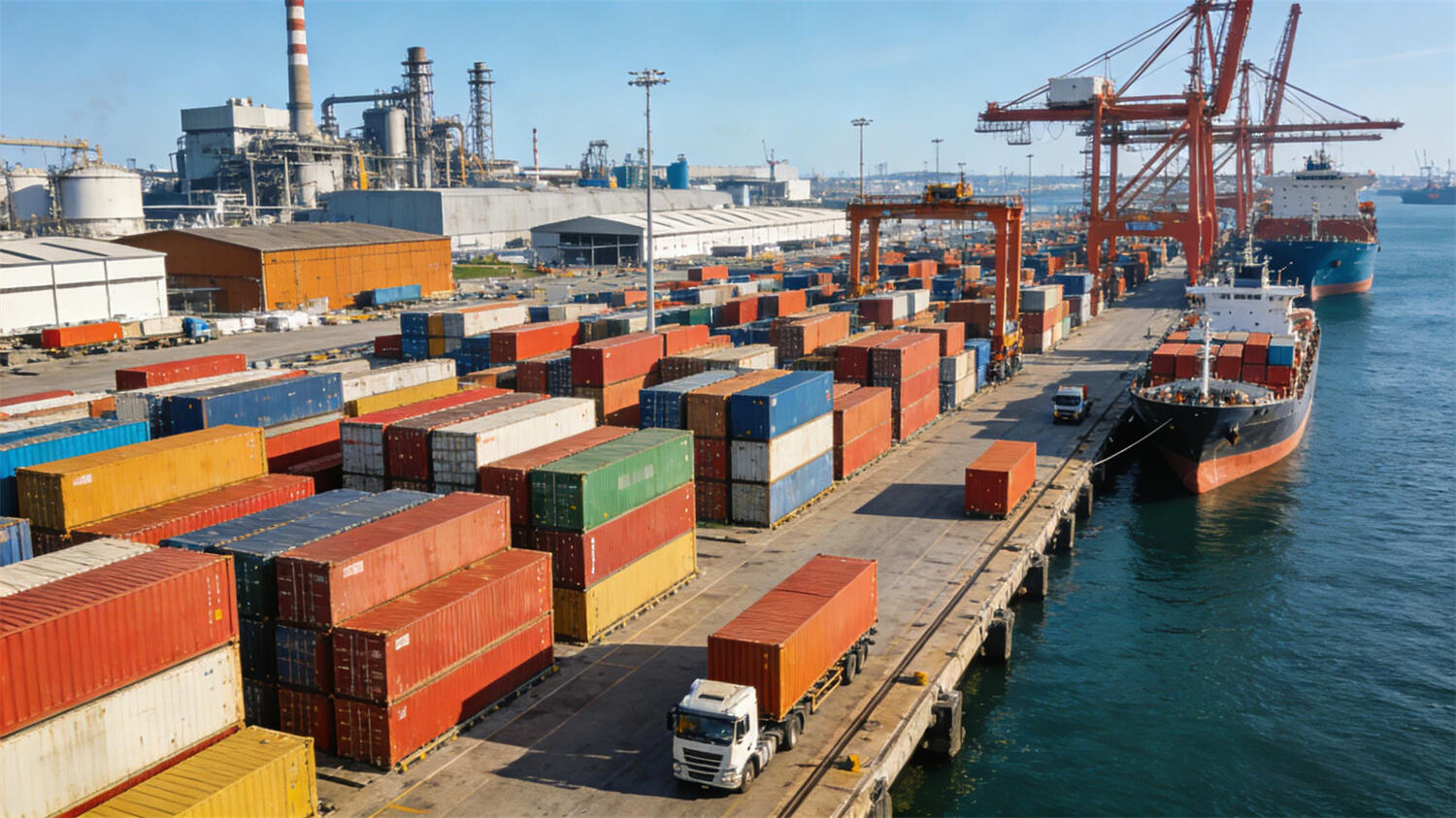
Trend 3: Supply Chain Resilience Determines Delivery Capability
Recent years have exposed the fragility of global supply chains. For construction projects, delayed material deliveries can lead to entire project cycle disruptions and significant cost overruns. Therefore, possessing a stable, reliable, and geographically diversified supply chain has become a core competitiveness for building material suppliers.
As a Chinese enterprise based in the world's largest manufacturing hub, OUTUS enjoys unique supply chain advantages. We integrate resources across the entire industrial chain—from raw material procurement and core component production to final assembly—ensuring stable and timely product delivery to global customers amidst a volatile market environment.
Conclusion: Strategic Choices Determine the Future
In summary, the future of the building materials industry belongs to those companies that can embrace sustainability, invest in digitalization, and build resilient supply chains. For players in the automatic door industry, this means moving beyond traditional hardware sales thinking and transforming into comprehensive solution providers offering "energy-efficient, intelligent, and reliable" systems.
OUTUS formulates its product and market strategies based on a deep understanding of these very trends. We invite architects, contractors, and distributors worldwide to collaborate with us, seize the immense opportunities presented by industry transformation, and jointly create a new future for architecture.



 EN
EN