EN
EN






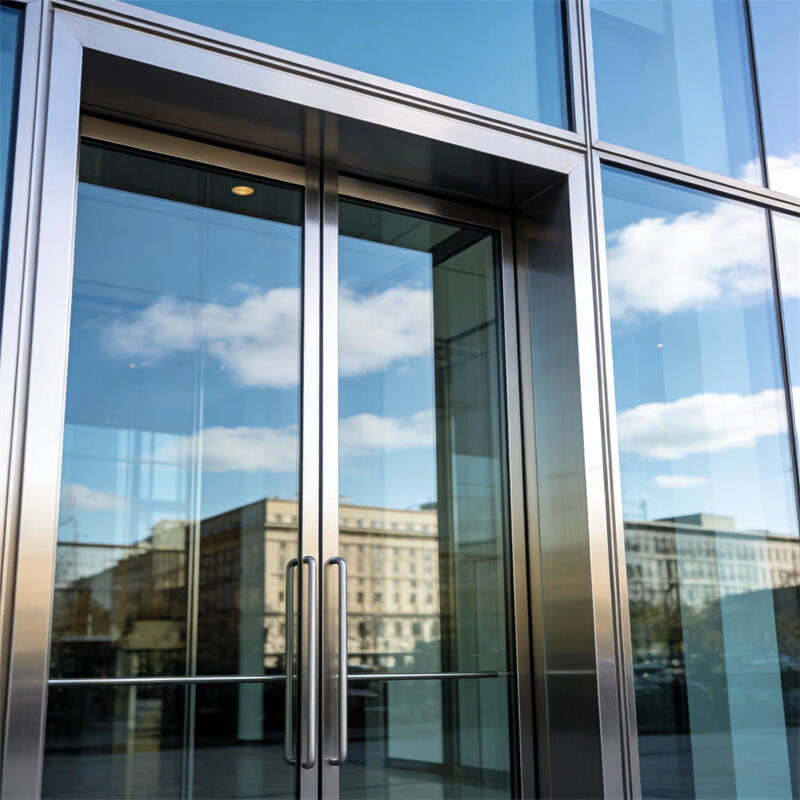
There is a demand for precision in the European context of architectural design. The stakes are very high when it comes to defining the entrance systems of a commercial tower in Frankfurt, a hospital in Lyon, or a shopping boutique in Milan—practicality is far less important than functionality. The choice of partner not only predetermines the daily user experience, long-term operating costs, adherence to safety standards, and the ability to seamlessly integrate your building’s access control, but also the overall functionality of the entrance system. Transactional sellers are hardly viable in this developed market. What modern construction projects need is a European automatic door supplier who acts not only as a strategic solutions expert, but also as a technology specialist—one who can deliver a system that enhances security and aligns with the project’s architectural intent.
The Non-Negotiable Foundation: Safety, Compliance, and the EN 16005 Standard
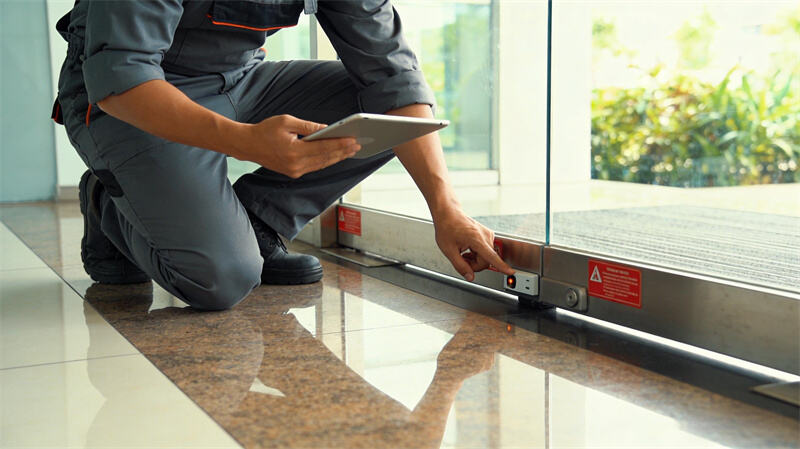
In the European Union, automatic pedestrian doors are not regarded as mere amenities, but as critical components tied to mandatory safety regulations. These regulations are based on the harmonized standard EN 16005, which governs the design, installation, and testing of power-operated doors. Key safety requirements outlined in this standard include comprehensive sensor coverage to prevent entrapment, restricted kinetic energy, and categorical risk assessments for special use cases such as emergency exits or fire doors. This complex compliance landscape cannot be left for engineers to handle alone, and nor should suppliers be mere sellers of motors and track systems. A professional solution provider, however, will embed EN 16005 compliance into their core design philosophy. They will also verify that sensor installation, force timing, and marginal safety features all adhere to European standards. This commitment ensures the necessary CE certificate—a compulsory declaration that the product complies with all applicable EU directives, including the Machinery Directive and the Low Voltage Directive. For building owners and specifiers, this means a system that is legally proven to be safe, insurable, and certified for reliable performance.
Bridging Continents of Innovation: The Synergy of German Precision and Italian Flair
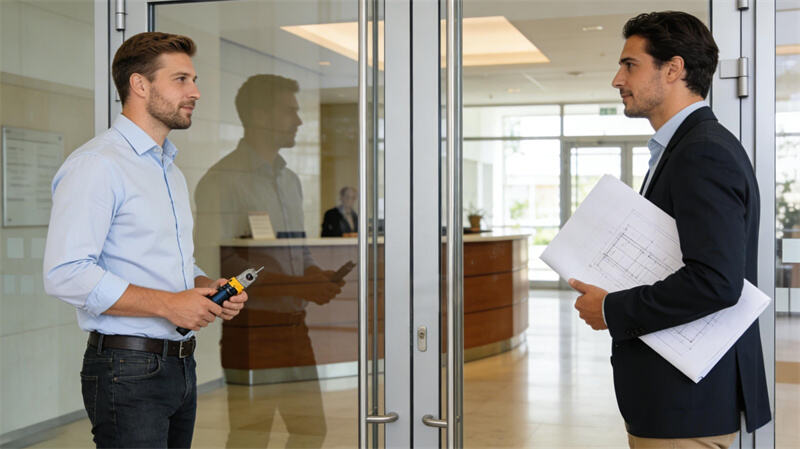
The European market is unparalleled in its demand for the finest engineering traditions. German automatic door technology is renowned globally for its robust construction, reliable electromechanical drives, and fault-tolerant control logic—features essential for high-traffic transit hubs and industrial settings where failure is not an option. Meanwhile, Italian door operators (referred to as automazioni in the industry) are sought after for their aesthetic design, ultra-smooth and silent operation, and sophisticated microprocessors that enable advanced functionality. A true solutions expert leverages the strengths of both traditions, rather than choosing one over the other. By mastering and applying the principles of both engineering schools, a specialist like OUTUS can design automatic door mechanisms that combine the structural strength and durability of German engineering with the smart motion and elegant design sensibilities of Italian craftsmanship. The result is entrance systems that perform seamlessly under high-stress conditions and perfectly complement the building’s architectural aesthetic.
Beyond the Door: The Critical Role of a Door Control Systems Integrator
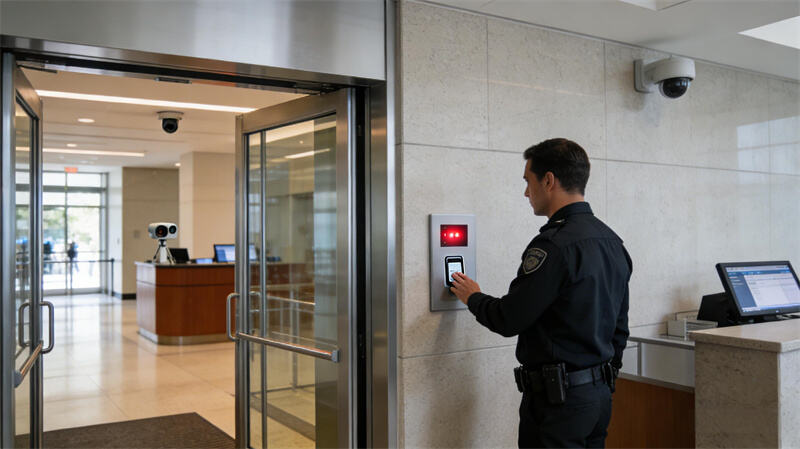
Modern buildings are interconnected networks of systems, and automatic entrances are a vital node that must interface with fire alarm systems, security access controls, time and attendance systems, and building management systems (BMS). This is where ordinary vendors fall short: they merely deliver a product, while a door control systems integrator delivers seamless connectivity. Integrators possess the expertise to select drives, controllers, and interfaces compatible with common communication protocols such as BACnet or Modbus. This integration capability is indispensable: an office lobby’s automatic door must unlock and open when an authorized card is swiped; an automatic door in a fire compartment must receive a priority signal from the fire alarm to seal off smoke; an automatic door in a clean room must interlock with another to maintain air pressure. It takes a solution-oriented integrator with deep technical knowledge to coordinate these complex interactions, creating a door system that is not only intelligent on its own, but also synergizes with the rest of the building’s smart systems.
Tailored Solutions for Diverse Architectural Demands
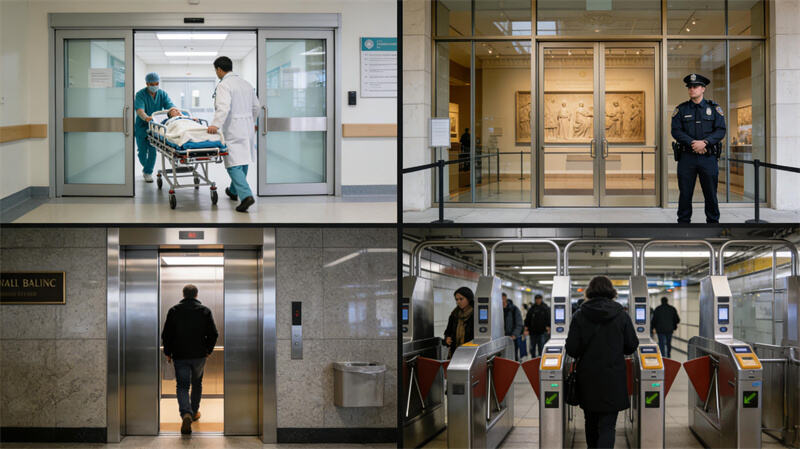
Generic, off-the-shelf products are ill-suited for the specialized needs of modern construction projects. A hospital operating theater, for example, requires a hermetic seal to prevent contamination, hands-free operation, and sterile design—features a standard sliding door cannot provide. Consider a museum housing priceless artifacts: its entrance system must deliver robust security (ideally integrated with metal detectors) while maintaining consistent internal temperatures. A basic seller will only present a price list, but a solutions specialist will offer personalized consulting. They will analyze the unique requirements of each scenario: a bank vault needs extensive biometric integration; a subway station requires large-lane emergency gates with pressure-sensitive edges; a luxury garage demands a quiet, insulated system with an integrated sunshade. Through this consultative approach, every component—including drive mechanisms, framing, and safety sensors—is customized to meet the specific operational needs. Additionally, all associated hardware (handles, locks, hinges, and closing mechanisms) must comply with European building hardware standards for accessibility, fire safety, and durability.
Conclusion: Securing Your Investment with a Strategic Partner

The European automatic door market does not thrive on transactional relationships—it demands strategic partnerships. Choosing a mere seller exposes your project to compliance risks, integration failures, and long-term operational headaches. In contrast, partnering with a solutions expert like OUTUS transforms your entrance from a simple passageway into a safe, compliant, and intelligently controlled asset. OUTUS not only adheres to stringent standards such as EN 16005 to guarantee CE certification, but also fuses the reliability of German automatic door technology with the elegance of Italian automazioni to deliver superior solutions. As a professional door control systems integrator, we ensure your entrance system integrates flawlessly with your building’s entire ecosystem and meets all European building hardware requirements. In a market where reliability, safety, and design are paramount, collaborating with a solutions expert is not just the safe choice—it is the strategic decision that ensures your project stands the test of time.
Table of Contents
- The Non-Negotiable Foundation: Safety, Compliance, and the EN 16005 Standard
- Bridging Continents of Innovation: The Synergy of German Precision and Italian Flair
- Beyond the Door: The Critical Role of a Door Control Systems Integrator
- Tailored Solutions for Diverse Architectural Demands
- Conclusion: Securing Your Investment with a Strategic Partner