

For many building owners and facility managers, the initial investment cost of an automatic door system can be a significant consideration. However, when we shift our perspective from "purchase cost" to Total Cost of Ownership (TCO) and lifecycle value, the economic advantages of automatic door systems become clear and compelling. This article systematically analyzes the return on investment of automatic door systems from five dimensions: energy savings, operational efficiency, safety compliance, brand value, and asset appreciation, helping decision-makers make data-driven, intelligent investment choices.
Beyond Initial Cost: Lifecycle Value Thinking
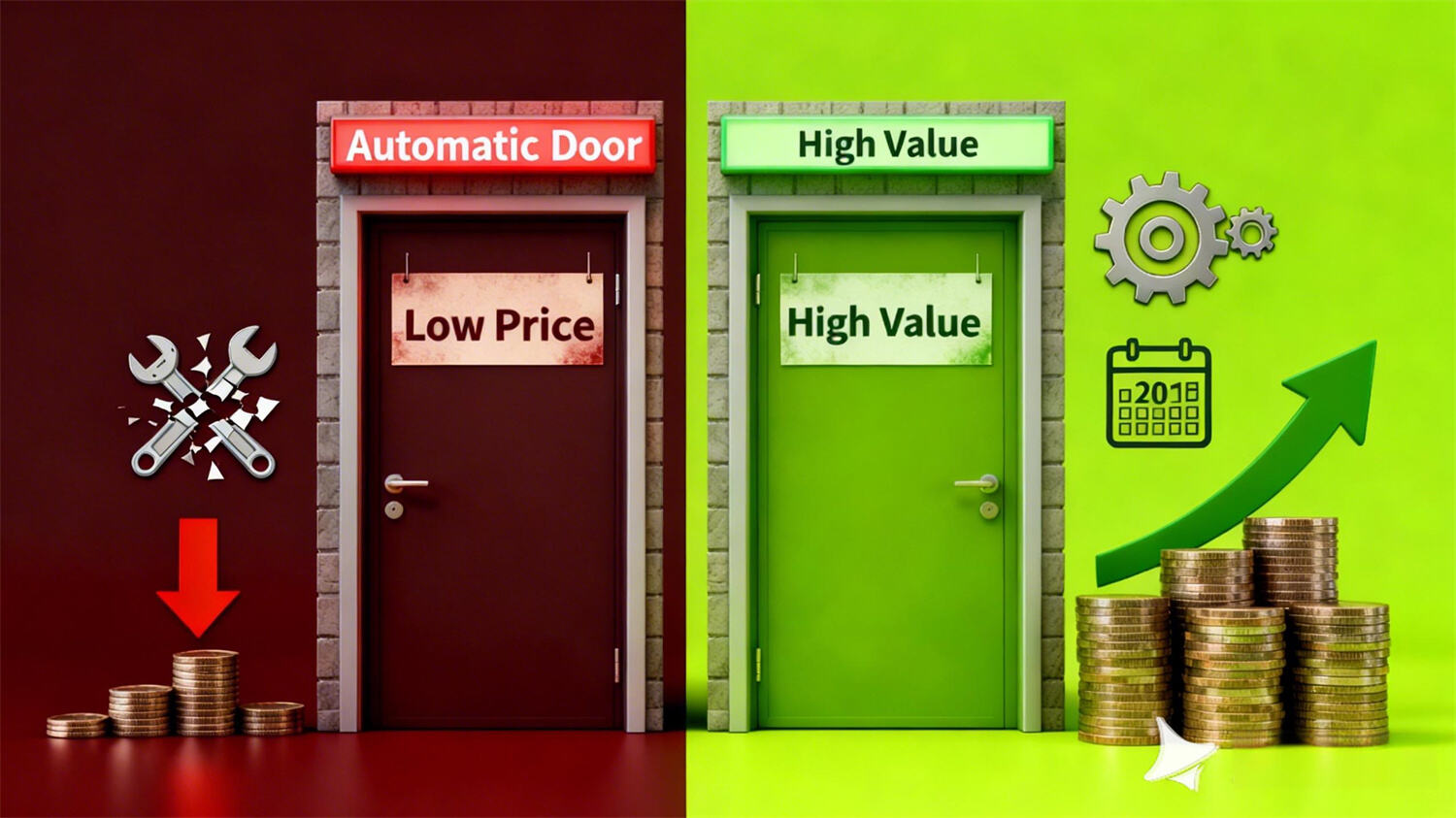
Traditional procurement decisions often overemphasize the initial purchase price while neglecting the operating costs and value generated over the equipment's entire lifespan (typically 15-20 years). For automatic door systems, the initial purchase and installation costs usually account for only 30-40% of the total lifecycle cost, with the remaining 60-70% coming from energy consumption, maintenance, and potential downtime losses.
Therefore, a seemingly "cheap" low-quality product may ultimately result in a much higher total cost of ownership than a high-quality product due to higher energy consumption, more frequent repairs, and a shorter lifespan.
Analysis of Five ROI Dimensions
Dimension 1: Energy Savings --- The Most Direct Financial Return
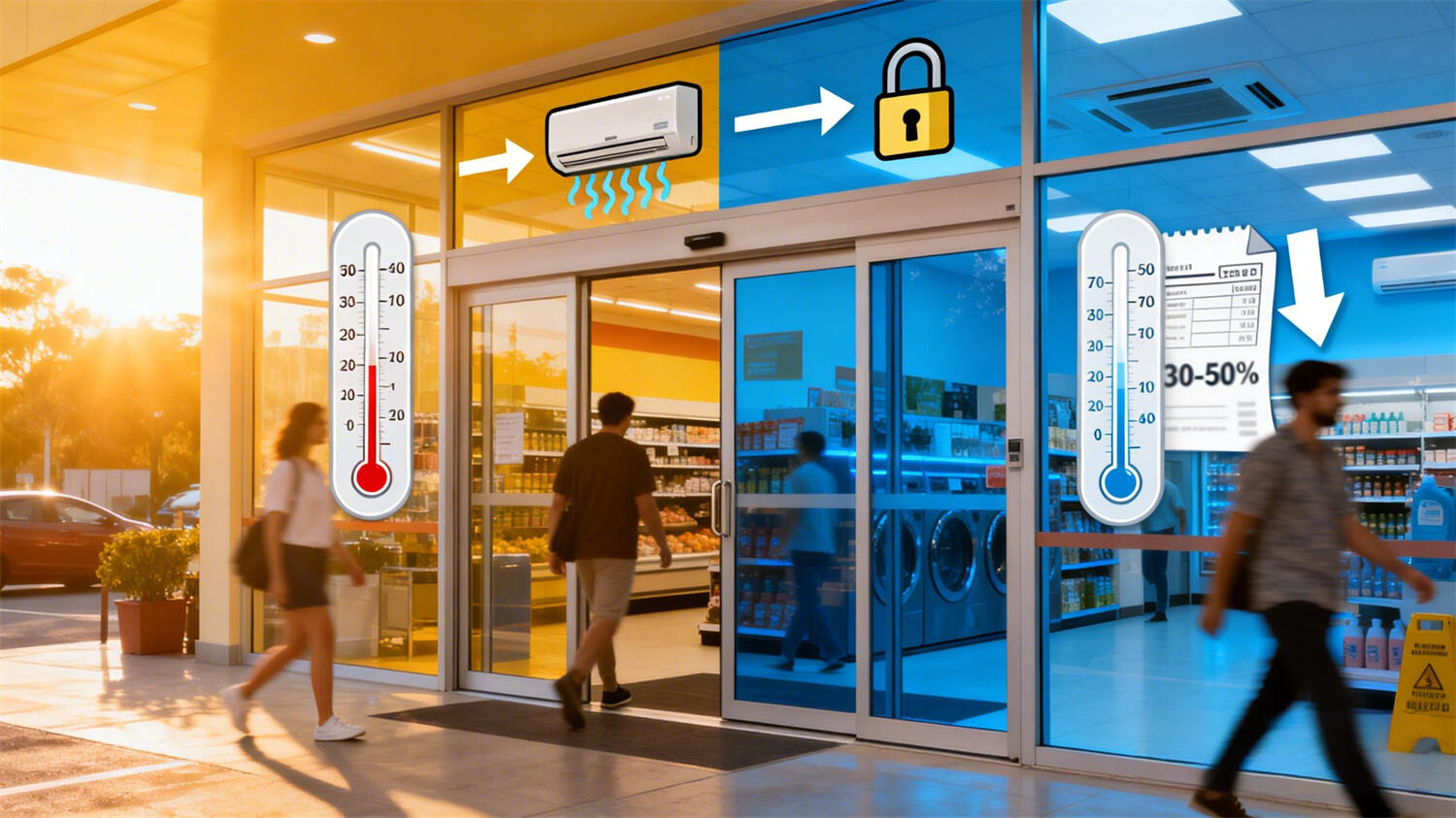
A building's entrance is a primary channel for heat exchange between indoors and outdoors. A manually operated door that is frequently opened and closes slowly, or an old door with poor sealing, can lead to significant energy loss from air conditioning (cooling or heating).
High-performance automatic door systems can significantly reduce this energy loss through fast opening/closing cycles and excellent airtightness. Below is an estimated energy savings model for a typical commercial scenario:
| Parameter | Manual door/old-fashioned door | OUTUS high-performance automatic sliding door |
| Average opening time each time | 8 to 12 seconds | Three to five seconds |
| Average daily opening times | 500 times | 500 times |
| The average daily total opening time | ~83 minutes | ~33 minutes |
| Annual average increase in air conditioning energy consumption (estimated) | Benchmark value | It is 30-50% lower than the benchmark value |
| Average annual electricity cost savings (estimated) | — | $800 - $2,500 (depending on climate and electricity price) |
In tropical regions (e.g., Southeast Asia) or cold regions (e.g., Northern Europe), where the indoor-outdoor temperature difference is greater, the energy-saving effect of automatic doors is even more pronounced. At some high-traffic commercial entrances, energy savings alone can recoup the entire investment in automatic doors within 3-5 years.
Dimension 2: Operational Efficiency Improvement --- Hidden but Significant Value
The improvement in operational efficiency from automatic doors is often subtle, but its cumulative effect is substantial:
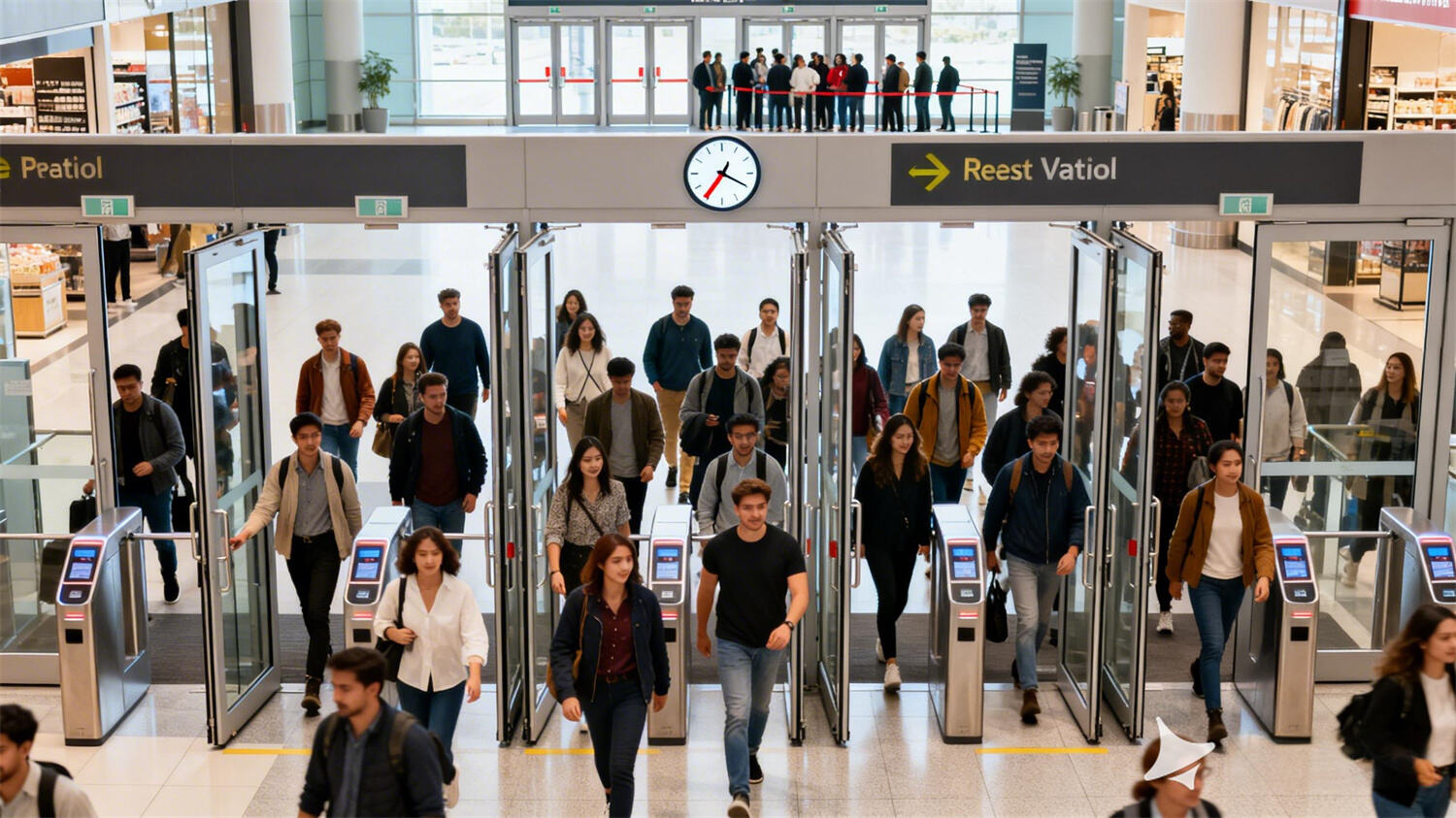
- Enhanced Pedestrian Flow: In high-traffic scenarios like retail, hotels, and transportation hubs, automatic doors eliminate the bottleneck of manual opening, allowing for smoother traffic and reducing congestion at entrances.
- Labor Savings: Eliminates the need to assign staff specifically to open doors or manage the entrance, freeing up human resources for more valuable tasks.
- Improved Logistics Efficiency: In industrial and warehouse settings, high-speed automatic doors allow for more efficient entry and exit of forklifts and goods, reducing wait times and directly increasing warehouse throughput.
Dimension 3: Safety and Compliance --- A Safeguard Against Risk
Non-compliant entrance systems can lead to significant legal and financial risks. The value of automatic door systems in safety compliance includes:
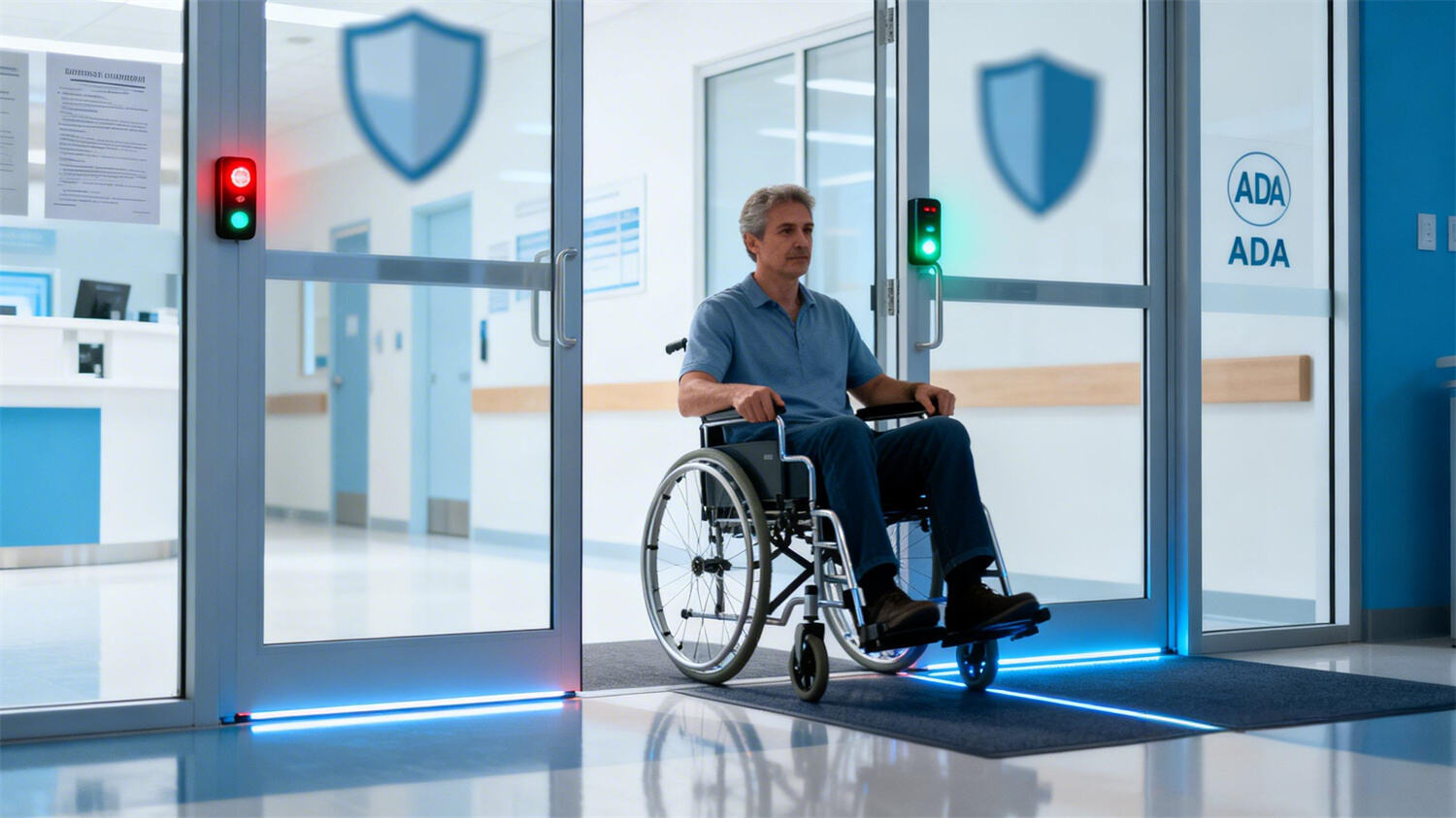
- Meeting Accessibility Regulations: In many countries and regions (such as the ADA in the U.S.), public buildings must provide accessible routes. Automatic doors are the most effective way to meet this requirement, avoiding the risk of fines and lawsuits due to non-compliance.
- Reducing Safety Incidents: Automatic doors equipped with advanced sensors and safety devices effectively prevent collisions and entrapment accidents, reducing owner liability risks and insurance costs.
- Enhanced Security: Automatic doors integrated with access control systems can precisely manage entry and exit, improving the overall security level of the building.
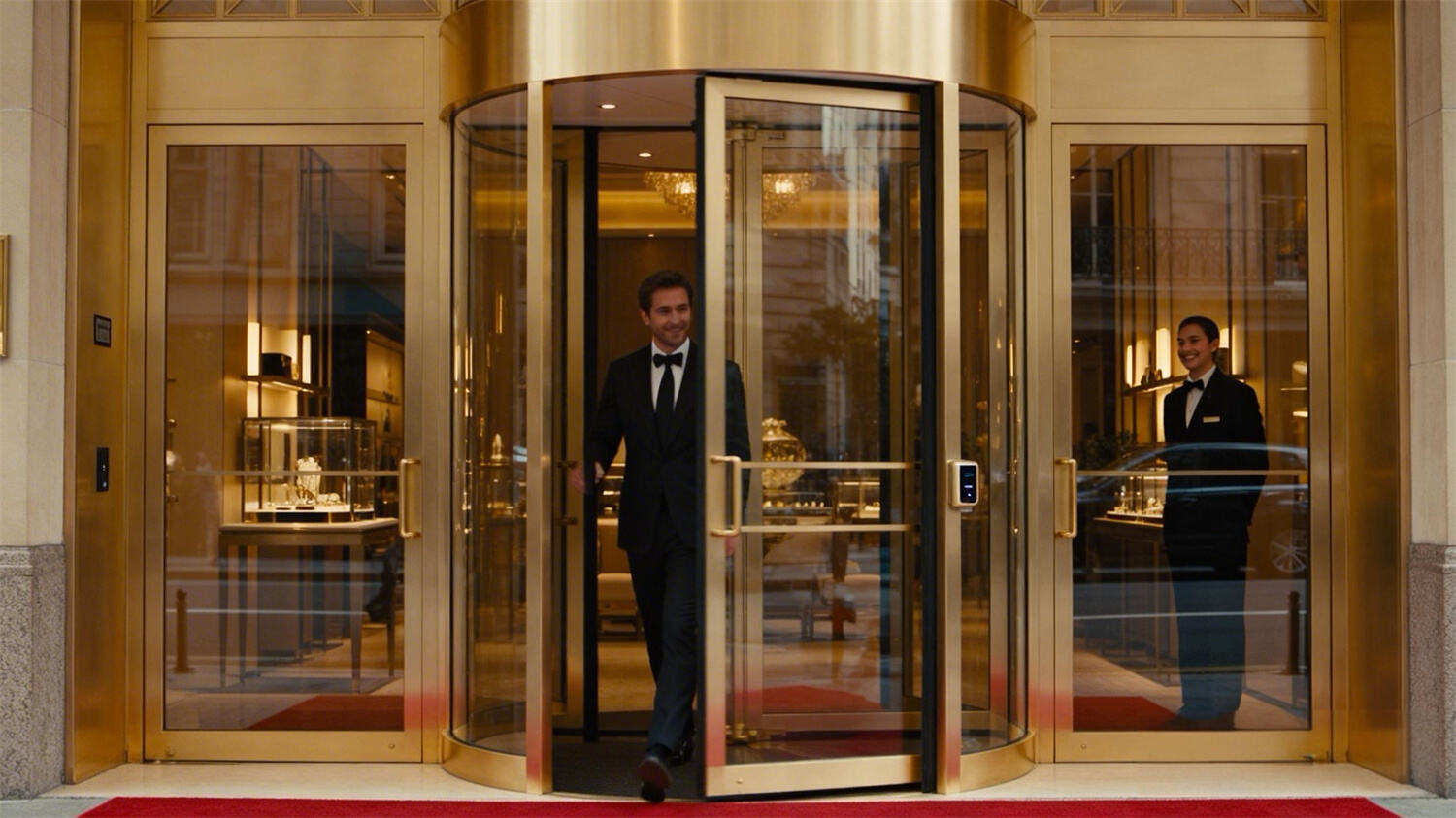
Dimension 4: Brand Image and Customer Experience --- Enhancing Intangible Assets
The building entrance is the "first touchpoint" where customers encounter the brand. A well-designed, smoothly operating automatic door system conveys a professional, high-end, and people-centric brand image.
- Retail: A spacious, bright, automatically opening entrance is more likely to attract passing potential customers into the store compared to a heavy manual door, directly impacting foot traffic and sales.
- Hospitality: Automatic doors provide guests with a distinguished and convenient arrival experience, serving as the starting point for five-star service.
- Office Buildings: Modern automatic door systems enhance the overall prestige of an office building, helping to attract and retain high-quality tenants.
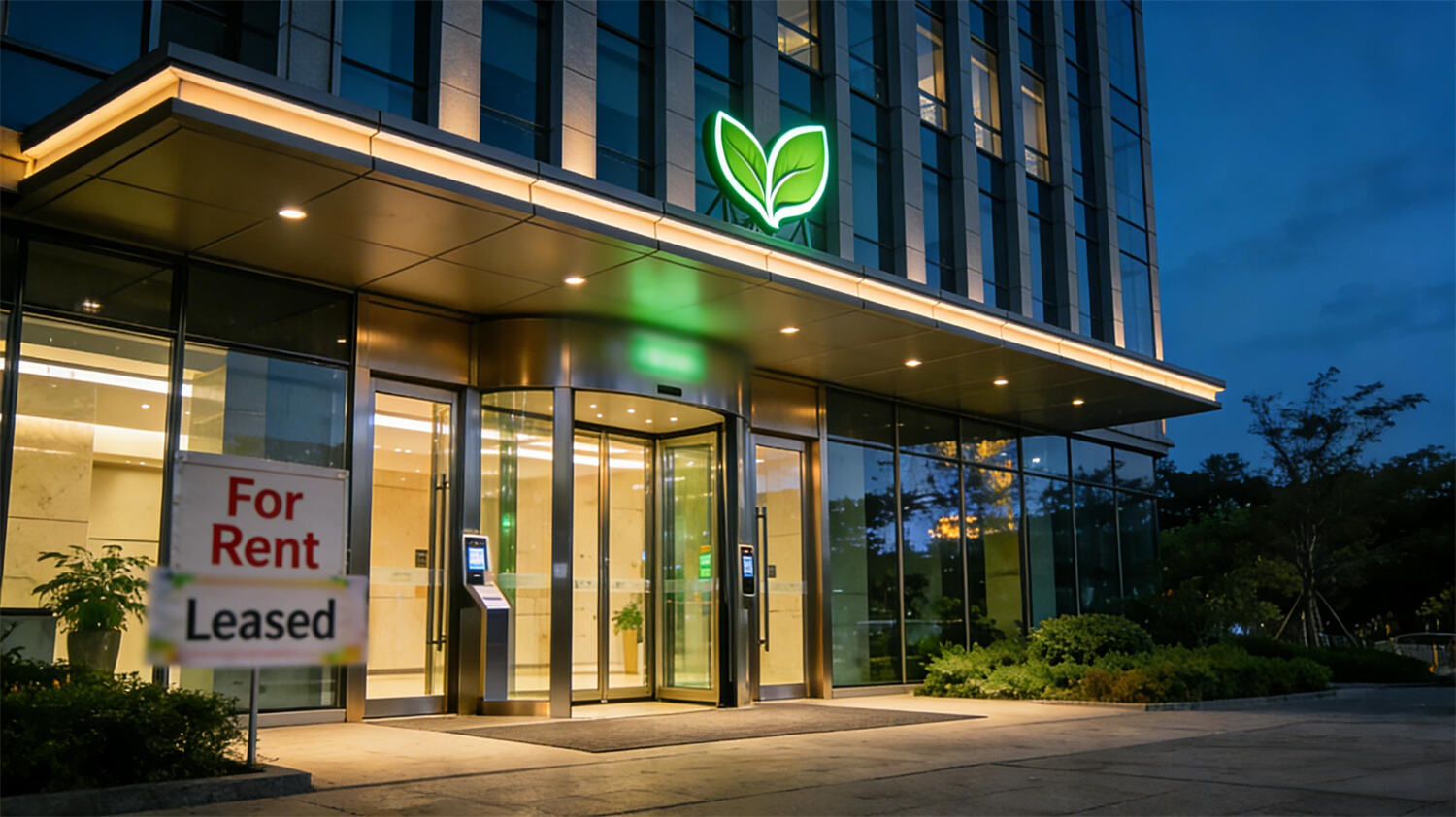
Dimension 5: Asset Appreciation and Green Certification --- Long-Term Strategic Returns
Buildings equipped with high-performance automatic door systems have higher asset value in the following areas:
- Green Building Certification: As discussed previously, energy-efficient automatic doors can contribute credits towards LEED and BREEAM certification. Buildings with green certifications typically command a 5-15% premium in rental and sales markets.
- Property Valuation: Modern, intelligent building facilities are significant positive factors in property valuation.
- Attracting ESG Investment: With the growing popularity of Environmental, Social, and Governance (ESG) investment principles, buildings with sustainable features are more likely to gain favor in capital markets.
Investment Payback Period Estimation
Considering the five dimensions above, the typical investment payback period for a high-quality commercial automatic door system is as follows:
| Application scenarios | Estimate the payback period of the investment | Main source of returns |
| Entrance to high-traffic retail/shopping malls | Two to four years | Energy conservation + increased passenger flow |
| Office building/hotel lobby | Three to five years | Energy conservation + brand image + asset appreciation |
| Hospitals/public buildings | Three to five years | Energy conservation + compliance and risk avoidance + barrier-free passage |
| Industrial warehouse/logistics center | 1 to 3 years | Energy conservation + operational efficiency improvement |
Conclusion
An automatic door system is not an "expense," but rather a high-return strategic investment. It continuously creates value across multiple dimensions—energy savings, operational efficiency, safety compliance, brand value, and asset appreciation—delivering economic returns over its lifecycle that far exceed the initial outlay.
OUTUS is committed to providing global customers with cost-effective automatic door solutions. We offer not only high-quality products but also professional ROI analysis and consulting services to help every client make the most informed investment decision.
Contact OUTUS, and let us tailor a detailed return on investment analysis report for your project.



 EN
EN