
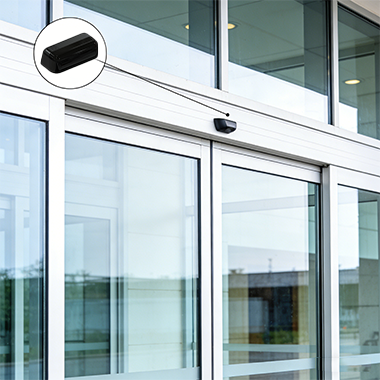
အလိုအလျောက် တံခါးထုတ်လုပ်သည့် ကုမ္ပဏီများနှင့် တင်ပို့ရောင်းချသည့် ကုမ္ပဏီများအတွက် ပန်းတောင်းစျေးကွက်များ၏ လုံခြုံရေးစံနှုန်းများကို နားလည်ပြီး လိုက်နာခြင်းသည် ရွေးချယ်စရာမဟုတ်ပါ— ၎င်းသည် စျေးကွက်သို့ ဝင်ရောက်ရန် မရှိမဖြစ် လိုအပ်သည့် လိုအပ်ချက်ဖြစ်ပါသည်။ ဥရောပနှင့် အမေရိကန် စျေးကွက်များသည် ကမ္ဘာပေါ်တွင် အများဆုံး ဖွံ့ဖြိုးပါသည့် နှင့် အများဆုံး စံနှုန်းများဖြင့် ထိန်းချုပ်ထားသည့် ဒေသနှစ်ခုဖြစ်ပါသည်။ EN 16005 (ဥရောပစံနှုန်း) နှင့် ANSI/BHMA A156.10 (အမေရိကန်စံနှုန်း) သည် ဖြတ်ကျော်ရမည့် အဓိက အတားအဆီးနှစ်ခုဖြစ်ပါသည်။ ဤဆောင်းပါးသည် တရုတ်နိုင်ငံမှ အလိုအလျောက် တံခါးထုတ်လုပ်သည့် ကုမ္ပဏီများ၊ အင်ဂျင်နီယာများနှင့် နိုင်ငံတကာ ကုန်သည်များအတွက် ရှင်းလင်းသည့် လမ်းညွှန်များကို ပေးရန် ရည်ရွယ်ပါသည်။ ဤစံနှုန်းနှစ်ခု၏ အဓိက လိုအပ်ချက်များကို အသေးစိတ် ဖော်ပြပေးခြင်းဖြင့် သင့်ထုတ်ကုန်များသည် နိုင်ငံတကာ စျေးကွက်တွင် အဆင်ပြေစေရန် အာမခံပေးပါသည်။

လုံခြုံရေးစံနှုန်းများသည် အဘယ်ကြောင့် အရေးကြီးပါသနည်း။
အကောင်းမွန်စွာ ဒီဇိုင်းမထုတ်ထားခြင်း သို့မဟုတ် မှန်ကန်စွာ တပ်ဆင်မထားခြင်းဖြစ်ပါက အလိုအလျောက် တံခါးစနစ်များသည် အသုံးပြုသူများအတွက် အန္တရာယ်များစွာရှိသော ဘေးအန္တရာယ်များကို ဖော်ပေးနိုင်ပါသည်။ ဥပမါ- တုံ့ထိမှုများ၊ ဖမ်းမိခြင်းများ သို့မဟုတ် အရေးပေါ်အခြေအနေများတွင် လူထုအား ထွက်ပေးရေးကို အဟန့်အတားဖေးပေးခြင်းများ ဖြစ်ပါသည်။ ထို့ကြောင့် အလွန်တင်းကြပ်သော ဘေးအန္တရာယ်ကင်မ်းကားမှု စံနှုန်းများကို အောက်ပါအတိုင်း သတ်မှတ်ထားပါသည်။
- ပြည်သူ့ဘေးအန္တရာယ်ကင်မ်းကားမှုကို ကာကွယ်ခြင်း - တံခါးများ၏ ရှုပ်ထွေးမှုကြောင့် ဖြစ်ပေါ်လာနိုင်သော ထိခိုက်မှုများကို အနိမ့်ဆုံးအထိ လျှော့ချခြင်း။
- တာဝန်များကို ရှင်းလင်းစေခြင်း - ထုတ်လုပ်သူများ၊ တပ်ဆင်သူများနှင့် အဆောက်အဦးပိုင်ရှင်များအတွက် တာဝန်ခံမှုအား ရှင်းလင်းစွာ သတ်မှတ်ပေးခြင်းနှင့် ဥပဒေရှိ အခြေခံများကို ပေးခြင်း။
- ဈေးကွက်ဝင်ရောက်မှုကို စံနှုန်းတစ်ခုတည်းဖြင့် ပေးခြင်း - ဈေးကွက်တွင် ရောင်းချရန် အားလုံးသော ထုတ်ကုန်များသည် အသိအမှတ်ပြုထားသော အနိမ့်ဆုံး ဘေးအန္တရာယ်ကင်မ်းကားမှု စံနှုန်းများကို ဖော်ပေးရန် လိုအပ်ခြင်း။
ဤစံနှုန်းများနှင့် ကိုက်ညီမှုမရှိသော ထုတ်ကုန်များကို သက်ဆိုင်ရာ ဈေးကွက်များတွင် ဥပဒေအရ ရောင်းချခွင့်မရှိပါ။ ထို့အပ além အလွန်အများကြီးသော ထုတ်ကုန်ပြန်လည်ခေါ်ယူမှုများနှင့် ဥပဒေရှိ လုပ်ရပ်များကို ဖော်ပေးနိုင်ပါသည်။
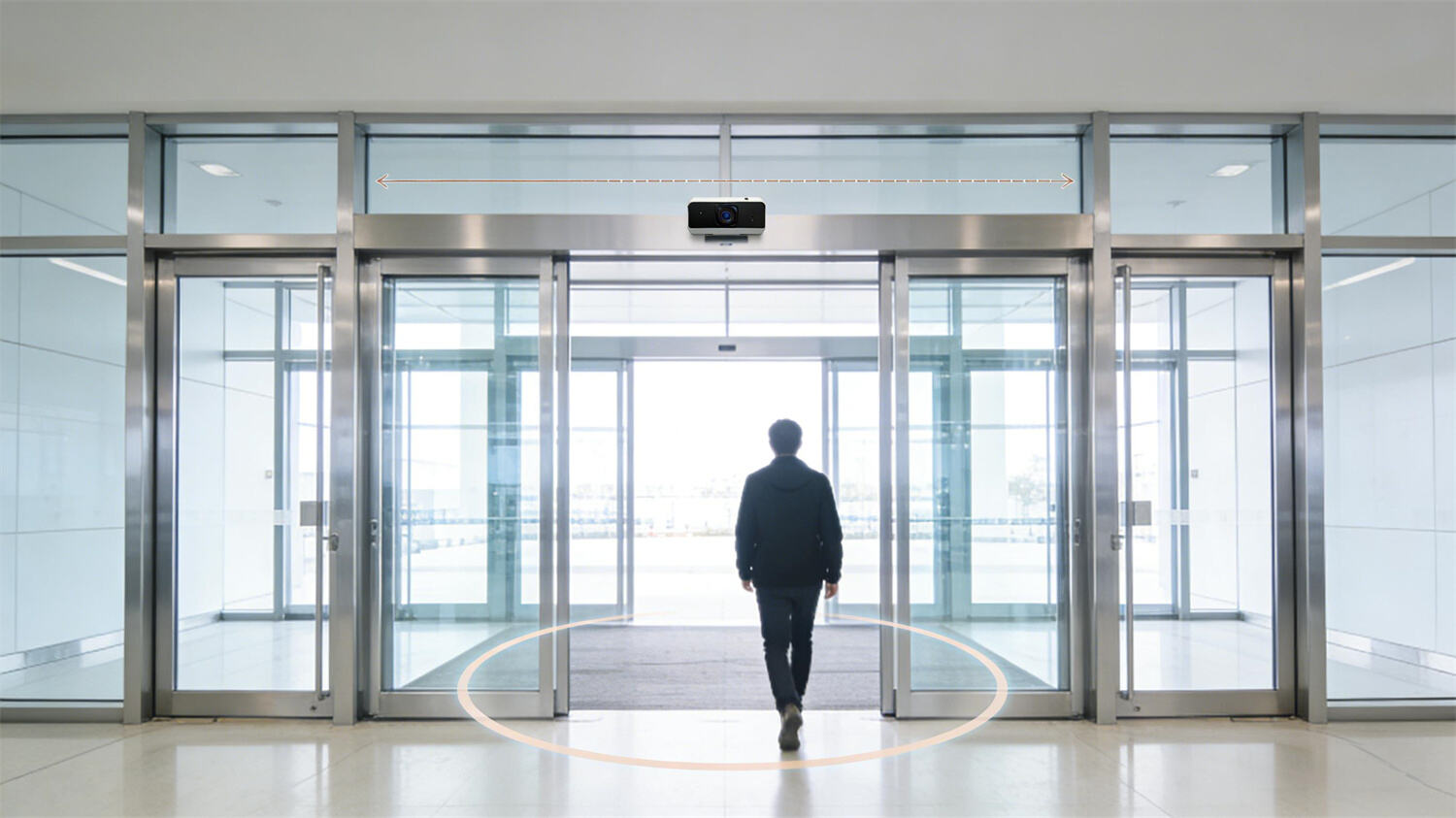
EN 16005 - ဥရောပဈေးကွက်သို့ ဝင်ရောက်ရန် အဓိက လိုင်စင်
EN 16005 သည် "လျှပ်စစ်အားဖြင့် လည်ပတ်သည့် လမ်းလျှောက်သူများအတွက် တံခါးများ" အတွက် ဥရောပ လုံခြုံရေးစံနှုန်းဖြစ်ပါသည်။ ၂၀၁၃ ခုနှစ်မှစ၍ EU အဖွဲ့ဝင်နိုင်ငံများတွင် ဤစံနှုန်းကို အတ္ထုပ္ပတ္တိအဖြစ် အသုံးပြုရန် လိုအပ်ပါသည်။ ဒီဇိုင်းရေးဆွဲခြင်း၊ ထုတ်လုပ်ခြင်းမှ တပ်ဆင်ခြင်းနှင့် ပုံမှန်ပြုပြင်ထိန်းသိမ်းခြင်းအထိ အဆင့်အားလုံးကို ဖုံးလွှမ်းထားပါသည်။ ထို့ကြောင့် CE မှိတ်ကို ရရှိရန်အတွက် ဤစံနှုန်းကို လိုက်နာရန် လိုအပ်ပါသည်။
EN 16005 ၏ အဓောက်ခံသော လိုအပ်ချက်များအကျဉ်းချုပ်
| အဓိကလိုအပ်ချက်များ | အသေးစိတ်ရှင်းလင်းချက် | ထုတ်လုပ်သူများအတွက် အကျိုးသက်ရောက်မှုများ |
| စွန်းထောက်မှုအကဲဖြတ်ခြင်း | လူသားများနှင့် အတားအဆီးများကို စောင်းမှုန်း၍ တုံ့ပြန်နိုင်ရန် အလို့ငား အလိုအလျောက်တံခါးများကို တပ်ဆင်ရေးဆွဲသည့် စီမံကုန်းတိုင်းအတွက် စွန်းထောက်မှုအကဲဖြတ်ခြင်းကို စနစ်တကျ ပြုလုပ်ရန် လိုအပ်ပါသည်။ | ထုတ်ကုန်ဒီဇိုင်းသည် တပ်ဆင်သူများအနေဖြင့် နေရာတွင် စွန်းထောက်မှုအကဲဖြတ်ခြင်းကို လွယ်ကူစွာ ပြုလုပ်နိုင်ရန် အာမခံရမည်။ |
| စောင်းမှုန်းသည့် စက်ကိရိယာများနှင့် ကာကွယ်ရေးပိုင်းဆိုင်ရာ ကိရိယာများ | တံခါးအစိတ်အပိုင်း၏ လှုပ်ရှားမှုဧရိယာကို လူသားများနှင့် အတားအဆီးများကို စောင်းမှုန်းနိုင်ရန် စောင်းမှုန်းသည့် စက်ကိရိယာများဖြင့် အပြည့်အဝ ဖုံးလွှမ်းထားရမည်။ | စံနှုန်းများနှင့် ကိုက်ညီသည့် အမြင့်မာဏစွမ်းရည်ရှိသည့် စောင်းမှုန်းသည့် စက်ကိရိယာများကို ရွေးချယ်ရမည်။ ထို့အပ alongside ရှင်းလင်းသည့် တပ်ဆင်မှုလမ်းညွှန်များကို ပေးအပ်ရမည်။ |
| လုံခြုံရေးအကွာအဝေး | ဒိုးပါတ်နှင့် အနီးတစ်ဝိုက်ရှိ မော်တော်ယာဉ်များ (ဥပမါ- နံရံများ) အကြား ဖမ်းမှုန်းမှုထိခိုက်မှုများကို ကာကွယ်ရန် အနည်းဆုံး လုံခြုံရေးအကွာအဝေးကို သတ်မှတ်ပေးထားခြင်းဖြစ်သည်။ | ထုတ်ကုန်ဒီဇိုင်းများနှင့် တပ်ဆင်မှုလုပ်ဆောင်ချက်များတွင် ဤလုံခြုံရေးအကွာအဝေးလိုအပ်ချက်များကို ရှင်းလင်းစွာ ဖော်ပြထားရမည်။ |
| အရေးပေါ် ထွက်ပြေးရေး | အရေးပေါ်အခြေအနေများ (ဥပမါ- မီးဘေး သို့မဟုတ် လျှပ်စစ်ပါဝါပေါ့သွားခြင်း) တွင် ဒိုးကို လက်ဖျားဖြင့် ဖွင့်နိုင်ရမည် (သို့မဟုတ် အလိုအလျောက်ဖွင့်နိုင်ရမည် - ရွေးချယ်စရာ)။ | အရေးပေါ်အခြေအနေတွင် လူများကို အများဆုံးလုံခြုံစေရန် ယုံကြည်စိတ်ချရသော ထွက်ပေါ်ရေးအစီအများများကို ပေးအပ်ရမည်။ ဥပမါ- "ဘရိတ်အော့တ်" လုပ်ဆောင်ချက် (အရေးပေါ်ဖွင့်ခြင်း)။ |
| စိစိမ့်မှုနှင့် မှတ်တမ်းများ | ဒိုးပေါ်တွင် ရှင်းလင်းသော လုံခြုံရေးသတိပေးအမှတ်အသားများ ကပ်ရမည်။ ပိုင်ရှင်အား အသုံးပြုသူနှင့် ပြုပြင်ထိန်းသိမ်းရေးလုပ်ဆောင်ချက်များကို ပြည့်စုံစွာ ဖော်ပြထားသော လုပ်ဆောင်ချက်များကို ပေးအပ်ရမည်။ | အများအပြားသော ဘာသာစကားများဖြင့် စံနှုန်းထားသော စာရွက်စာတမ်းများနှင့် အမှတ်အသားများကို ပြင်ဆင်ရမည်။ |
အရေးကြီးသော အချက် - EN 16005 သည် ထုတ်ကုန်အားလုံးကို အခြေခံသော စုစုပေါင်းဖြေရှင်းနည်းကို စွမ်းအားအဆင့်သတ်မှတ်ခြင်းအပေါ် အခြေခံပါသည်။ OUTUS ထုတ်ကုန်များသည် ဒီဇိုင်းအစပိုင်းမှစ၍ EN 16005 ၏ လိုအပ်ချက်အားလုံးကို အပြည့်အဝထည့်သွင်းစဉ်းစားထားပြီး ဥရောပနိုင်ငံများရှိ ကျွန်ုပ်တို့၏ မိတ်ဖက်များအတွက် နည်းပညာဆိုင်ရာ အထောက်အပံ့များနှင့် စာရွက်စာတမ်းများကို စုစုပေါင်းပေးအပ်ကာ စီမံကိန်းတိုင်းသည် စံနှုန်းနှင့် အပြည့်အဝကိုက်ညီစေရန် အာမခံပေးပါသည်။
ANSI/BHMA A156.10 - အမေရိကန်ဈေးကွက်သို့ ဝင်ရောက်ရေးအတွက် အရေးကြီးသော သော့ချက်
ANSI/BHMA A156.10 သည် အမေရိကန်အများနိုင်ငံတက် စံနှုန်းအဖွဲ့ (ANSI) နှင့် အဆောက်အအုံပစ္စည်းထုတ်လုပ်သူများအသိုင်းအဝိုင်း (BHMA) တို့က ရေးဆွဲထားသော "လျှပ်စစ်စွမ်းအားဖြင့် လည်ပတ်သော လူသားများအတွက် တံခါးများ" အတွက် စံနှုန်းဖြစ်ပါသည်။ ဤစံနှုန်းသည် အမေရိကန်ဈေးကွက်တွင် အလိုအလျောက်တံခါးများကို ရောင်းချခြင်းနှင့် တပ်ဆင်ခြင်းအတွက် လိုက်နာရမည့် အဓိက စံနှုန်းဖြစ်ပါသည်။
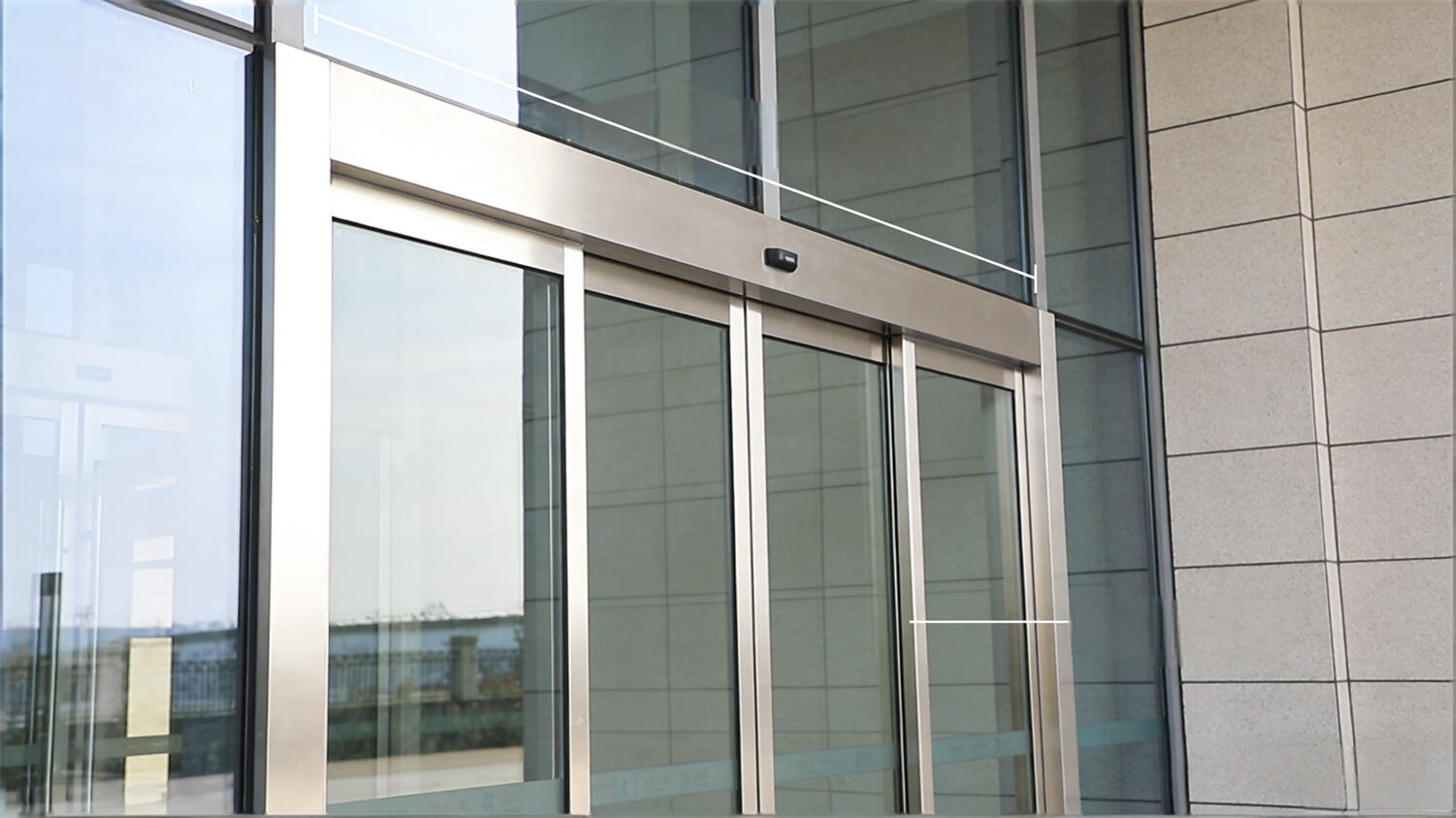
ANSI/BHMA A156.10 ၏ အဓိက လိုအပ်ချက်များအကြောင်း အကျဉ်းချုပ်
| အဓိကလိုအပ်ချက်များ | အသေးစိတ်ရှင်းလင်းချက် | EN 16005 နှင့် တူညီမှုများနှင့် ကွဲပြားမှုများ |
| စိန်ဆာစနစ် (လုပ်ဆောင်မှုနှင့် ဘေးကင်းရေး) | စတင်ခေါ်ဆောင်မှုစိန်ဆာများ (ဥပမါ- လက်ဖျားနှိပ်သော ခလုတ်များ) နှင့် ဘေးကင်းရေးစိန်ဆာများ (ဘေးကင်းရေးအတွက် တုံ့ပြန်မှုဖြစ်ပြီး တုံ့ခိုးမှုများကို ကာကွယ်ရန်) ဟု ရှင်းရှင်းလင်းလင်း ခွဲခြားဖော်ပြရပါမည်။ | အယူအဆများသည် ဆင်တူသော်လည်း စက်မှုအာရုံခံကိရိယာများ၏ အမျိုးအစားများနှင့် စီစဉ်မှုများအတွက် ပိုမိုတိက်မိုးပြီး စံသတ်မှတ်ထားသော လိုအပ်ချက်များရှိပါသည်။ |
| တံခါးဧရိယာများကို အပိုင်းအစများခွဲခြားခြင်း | တံခါးအနီးရှိ ဧရိယာကို "တံခါးပေါက် လှုပ်ရှားမှုဧရိယာ"၊ "အနီးကပ်ဧရိယာ" စသည်ဖြင့် အပိုင်းအစများခွဲခြားပြီး ဧရိယာတစ်ခုချင်းစီအတွက် အာရုံခံကိရိယာများဖြင့် ဖုံလွှမ်းမှုရှိရန် လိုအပ်ချက်များကို သတ်မှတ်ထားပါသည်။ | EN 16005 တွင် ဖော်ပြထားသော ဒေသခွဲခြားမှုထက် ပိုမိုအသေးစိတ်နှင့် အရေအတွက်ဖော်ပြမှုရှိပါသည်။ |
| ဖွင့်/ပိတ်သည့် အမြန်နှုန်းနှင့် အား | တံခါးကိုယ်ထည်၏ အများဆုံးရွေ့လျားမှုအမြန်နှုန်း၊ ပိတ်ချိန်နှင့် အတားအဆီးများအပေါ် အများဆုံးအားအသုံးပြုပုံတို့အပေါ် ရှင်းလင်းသော ပမာဏဆိုင်ရာ ကန့်သတ်ချက်များ ရှိပါသည်။ | EN 16005 တွင် ဖော်ပြထားသော လိုအပ်ချက်များထက် ပိုမိုတိက်မိုးပါသည်။ ထိုလိုအပ်ချက်များကို တိက်မိုးသော စမ်းသပ်မှုများဖြင့် အတည်ပြုရန် လိုအပ်ပါသည်။ |
| ညေ့မျဉ်း | တံခါးရှိ အရွေ့လွှားနေသော အမျိုးအစားများအတွက် လူသားများသည် ဘေးဘော်မှ အန္တရာယ်ရှိသော ဧရိယာများသို့ ဝင်ရောက်ခြင်းမှ ကာကွယ်ရန် လမ်းညွှန်အိုးများကို တပ်ဆင်ရန် မှုချင်းဖော်ပြထားပါသည်။ | ANSI/BHMA စံသတ်မှတ်ချက်တွင် အလွန်ထူးခြားပြီး မှုချင်းဖော်ပြထားသော လိုအပ်ချက်ဖြစ်ပါသည်။ |
| နေ့စဥ် လုံခြုံရေးစစ်ဆေးမှု | ပိုင်ရှင်သည် အလိုအလျောက်တံခါး၏ အခြေခံလုံခြုံရေးလုပ်ဆောင်မှုများကို နေ့စဉ်စစ်ဆေးရန် လိုအပ်ပါသည်။ | ဤစာသားသည် ပိုင်ရှင်၏ နေ့စဉ်တာဝန်များကို အလေးပေးဖော်ပြပြီး ထုတ်လုပ်သူများသည် ရှင်းလင်းသော စစ်ဆေးရေးလုပ်ထုံးများကို ပေးပေးရန် လိုအပ်ပါသည်။ |
အရေးကြီးသောအချက် – ANSI/BHMA A156.10 သည် EN 16005 နှင့် နှိုင်းယှဉ်လျှင် အများအားဖြင့် ပိုမိုတိက်တိက်ကြီးစွာ သတ်မှတ်ထားပြီး အရေးကြီးသော အချက်များဖြစ်သည့် စက်မှုသိမ်းမှုစနစ် (sensor configuration)၊ လမ်းညွှန်ဘားများ (guide rails) စသည်တို့အတွက် အလွန်တိက်တိက်ကြီးစွာသော လိုအပ်ချက်များကို သတ်မှတ်ထားပါသည်။ အမေရိကန်ဈေးကွက်သို့ ဝင်ရောက်ရန် စဥ်းစားနေသော ကုမ္ပဏီများသည် ထုတ်ကုန်ဒီဇိုင်းအဆင့်မှစ၍ ဤအသေးစိတ်လိုအပ်ချက်များကို တင်းကြပ်စွာ လိုက်နာရန် လိုအပ်ပါသည်။
အကျဉ်းချုပ် – စံနှုန်းများနှင့် ကိုက်ညီမှုသည် နိုင်ငံတကာသို့ ချဲ့ထွင်ရေး၏ ပထမဆုံးအဆင့်ဖြစ်သည်။
နိုင်ငံတကာသို့ ချဲ့ထွင်ရန် စဥ်းစားနေသော တရုတ်နိုင်ငံမှ အလိုအလျောက်တံခါးထုတ်လုပ်သူကုမ္ပဏီများအတွက် EN 16005 နှင့် ANSI/BHMA A156.10 စံနှုန်းများကို နားလည်ပြီး လိုက်နာရေးသည် နည်းပညာဆိုင်ရာကိစ္စသာမက ဗျူဟာမှုဆိုင်ရာကိစ္စဖြစ်ပါသည်။ ထိုကုမ္ပဏီများသည် အောက်ပါအတိုင်း လုပ်ဆောင်ရန် လိုအပ်ပါသည်။
၁။ R&D ကို ဦးစားပေးရန် – ထုတ်ကုန်ဒီဇိုင်းအဆင့်တွင် အဓိကစံနှုန်းနှစ်ခု၏ လိုအပ်ချက်များကို ပေါင်းစပ်ထည့်သွင်းရန် လိုအပ်ပါသည်။ နောက်မှ ပြင်ဆင်ခြင်းများကို မှီခိုရန် မဟုတ်ပါ။
၂။ စမ်းသပ်မှုနှင့် အတည်ပြုခြင်း ဆောင်ရွက်ခြင်း - စံနှုန်းများနှင့် ကိုက်ညီသော တတိယပါတီ စမ်းသပ်မှုစွမ်းရည်များကို တည်ထောင်ခြင်း သို့မဟုတ် အပ်နှံခြင်းဖြင့် ထုတ်ကုန်တိုင်းအား ကြီးမားသော အတည်ပြုမှုများ ပြုလုပ်ရန် သေချာစေပါ။
၃။ စုံလင်သော စာရွက်စာတမ်းများကို ထိန်းသိမ်းခြင်း - ပညာရပ်ဆိုင်ရာ စာရွက်စာတမ်းများ၊ တပ်ဆင်မှုလုပ်ဆောင်ချက်များနှင့် ပုံမှန်ထိန်းသောင်းမှုလုပ်ဆောင်ချက်များကို အပြည့်အစုံ၊ ပရော်ဖက်ရှင်နယ်နှင့် အများနှင့်အများ ဘာသာစကားများဖြင့် ပြင်ဆင်ပါ။
၄။ မိတ်ဖက်များကို အာဏာပေးခြင်း - နိုင်ငံခြားတွင် တပ်ဆင်သူများနှင့် ဖ distribution များအား စံနှုန်းများနှင့် ကိုက်ညီမှုဆိုင်ရာ အပြည့်အဝသော လေ့ကျင်းမှုများနှင့် အထောက်အပံ့များကို ပေးအပ်ပါ။
OUTUS သည် အမြဲတမ်း လုံခြုံရေးနှင့် စံနှုန်းများနှင့် ကိုက်ညီမှုကို ဦးစားပေးပါသည်။ ကျွန်ုပ်တို့၏ အဓိက ထုတ်ကုန်အများအပြားကို EN 16005 နှင့် ANSI/BHMA A156.10 စံနှုန်းများ၏ လိုအပ်ချက်များကို တစ်ပါတ်တည်းတွင် ထည့်သွင်းစဉ်းစား၍ ဖွံ့ဖြိုးတည်ဆောက်ခဲ့ပါသည်။ ထို့ကြောင့် ကျွန်ုပ်တို့၏ ကမ္ဘာလုံးဆိုင်ရာ မိတ်ဖက်များသည် OUTUS ထုတ်ကုန်များကို ကမ္ဘာတစ်ဝှမ်းရှိ အခက်ခဲဆုံး စီမံကိန်းများတွင် ယုံကြည်စွာ အသုံးပြုနိုင်ပါသည်။



 EN
EN